





Too many handoffs
Content, design, engineering, SEO, and governance teams all touch the migration, creating queues between every decision and every page.
CMS migrations are painful, costly, and slow because every page pulls in many hands and painstaking manual effort. That work consumes operational capacity and delays time to value while the CMO asks the same team to deliver more.
Content, design, engineering, SEO, and governance teams all touch the migration, creating queues between every decision and every page.
Teams map components, move content, repair metadata, replace assets, and check pages one at a time.
The migration absorbs the same people expected to keep campaigns moving, improve the site, and respond to new priorities.
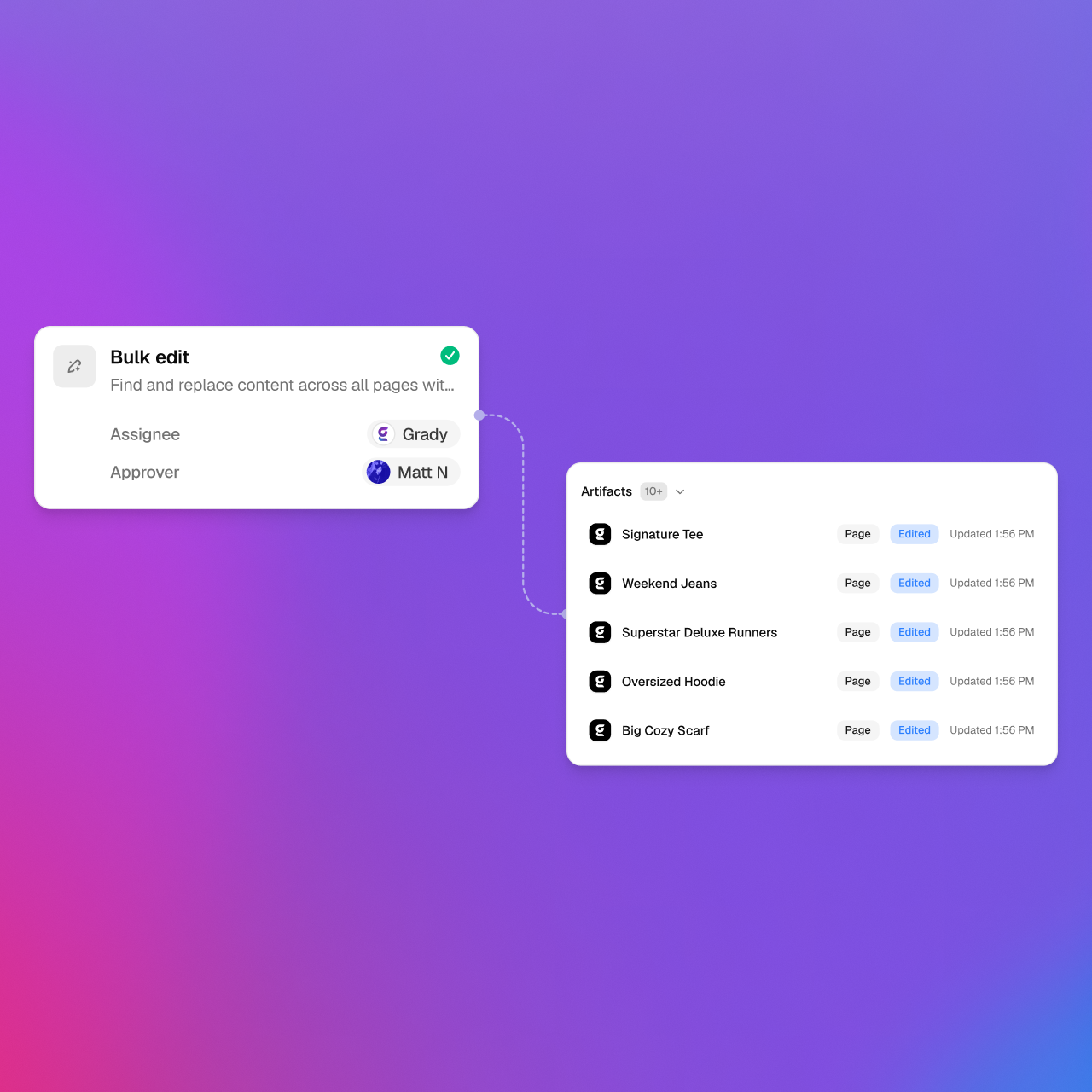
Gradial agents execute high-volume migration work inside a governed workflow, while people stay focused on the decisions that require judgment.
Map components from the old design system to approved components in the new design system, then move content into the destination structure.
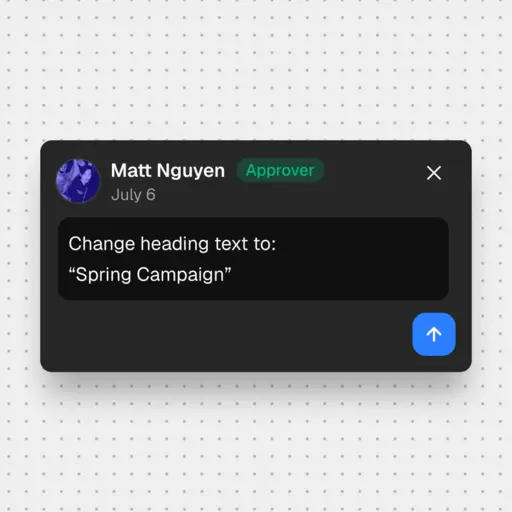
Run governance, brand, and quality checks before review. Check links and required image alt text so issues are caught before approval.
Use clear structure, complete metadata, accessible media, and source-grounded copy so content is useful to customers and understandable to AI agents.
Update the design system or replatform to new technology without consuming the team’s operational capacity. Improve content, design consistency, and page health as each migration batch moves forward.
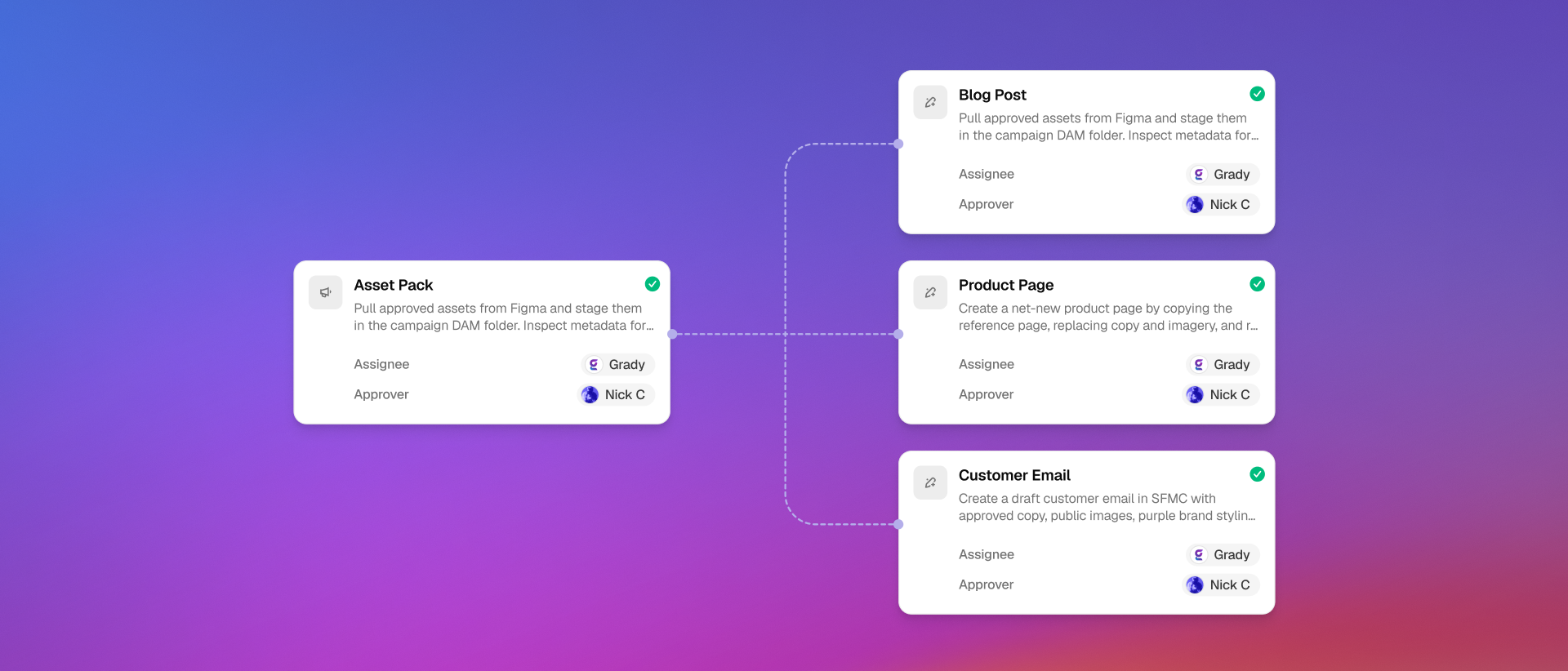
Move legacy pages into approved components and patterns instead of carrying old design debt into the destination platform.
Let Gradial agents handle repeatable mapping, migration, and validation work while the team keeps current editorial priorities moving.
Improve metadata, links, image descriptions, structure, and page quality as content moves into the new system.
No. Enterprise migration requires scoping, source decisions, destination mapping, validation, exception handling, and accountable review. Gradial executes the operational work inside that governed process.
No. Teams can define useful batches by section, content type, locale, or business unit, then review each batch against its own acceptance criteria.
The workflow surfaces the mismatch for a human decision. Content can be revised, preserved, archived, or routed for design and engineering input instead of being forced into the wrong structure.
Connect migration planning and execution to the CMS, design, source-content, and work-management systems already involved in the program.
AEM Sites & Assets
Sitecore
Contentful
Drupal
Figma
SharePoint
Jira
Workfront
Sign up to receive product releases, execution insights, and real-world use cases from the Gradial system of work.