Gradial connects search and AI-visibility findings to content updates that your team can review. It can map topics to pages, strengthen content, improve metadata and internal links, and identify access or rendering issues. Supported authorable fixes move through your CMS; implementation work outside those controls goes to the approved owner.
Organic Search (AEO · GEO · SEO)
AI changed the search rules. Let’s change how you play.
Act on opportunities to improve your visibility in search engines and AI answers. Gradial turns search and AI visibility insights into content updates inside your existing CMS. Your team sets priorities, reviews the work, and decides what goes live.
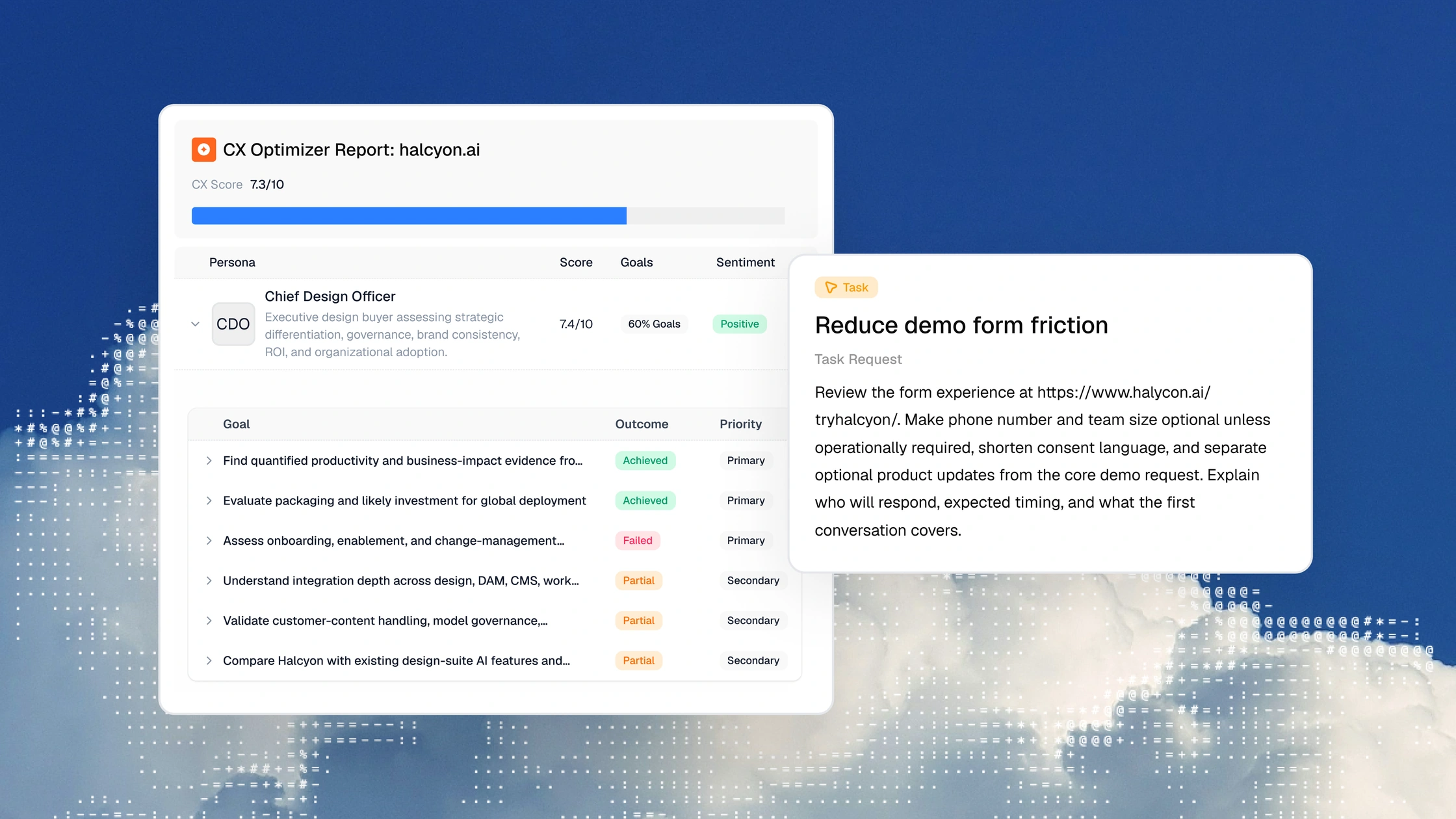
Turn GEO and SEO insights into website updates.
Your search backlog just met its match. Spotting AI visibility gaps, thin content, and technical issues is only the start. Turning those findings into reviewed, release-ready updates is where the real work begins.
Gradial identifies opportunities, recommends improvements, and puts agents to work on supported CMS changes. Your team brings the search strategy and editorial expertise, and controls what gets prioritized and published.
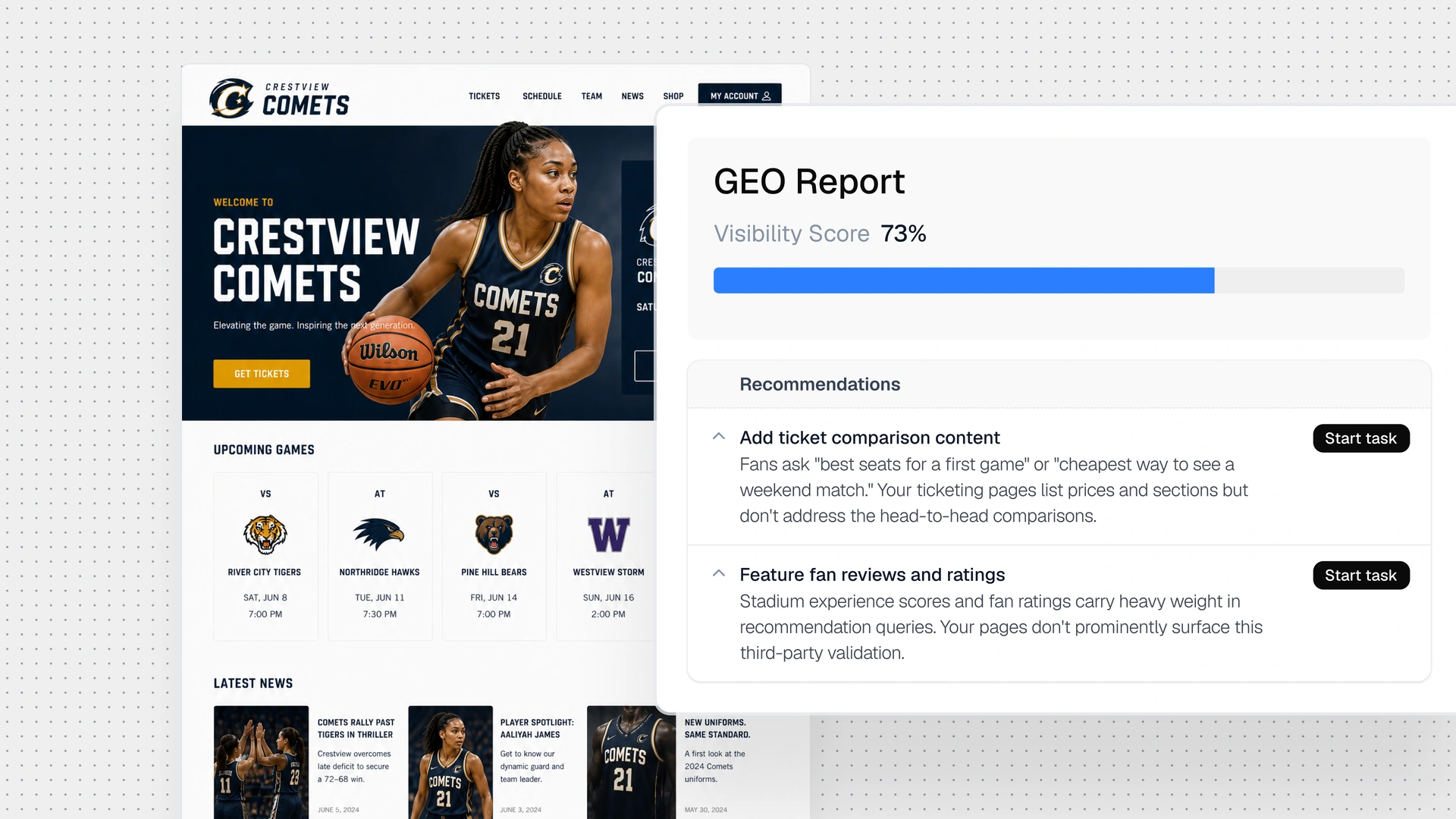
See where AI answers name you, cite you, or miss you.
Monitor a defined set of buyer questions to understand which brands appear and which sources get cited. A brand mention is not the same as a link to your site. Gradial keeps those signals distinct and connects findings to the pages and sources behind them.
You can ask Grady to:
→ Find buyer questions where competitors appear but we don’t.
→ Show which owned and third-party pages are cited for these topics.
→ Track brand mentions and owned-site citations across the same question set.
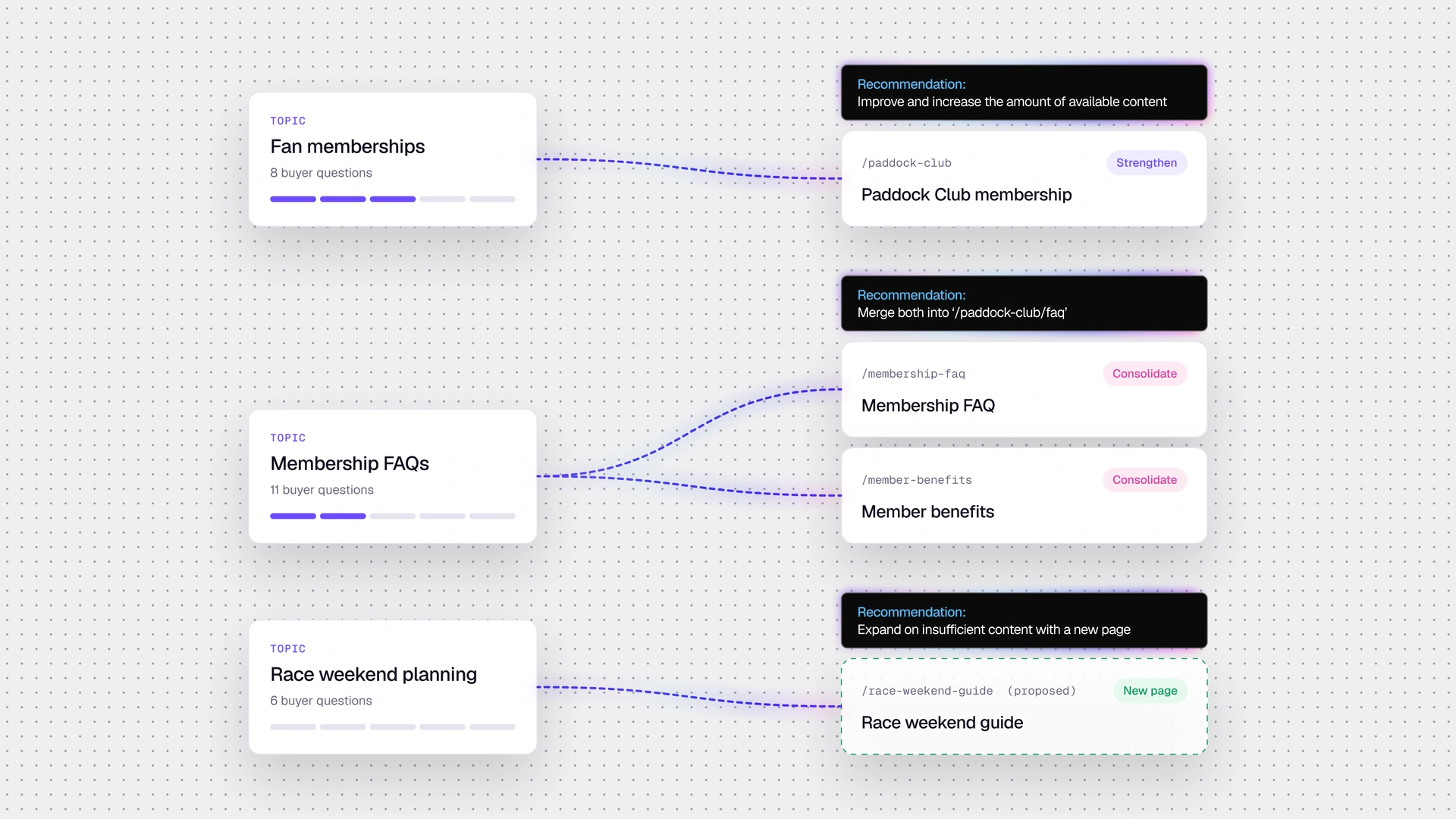
Give each topic a page that earns its place.
Gradial maps topics and questions to the pages that should answer them, then helps improve the content, headings, metadata, and internal links. A new page is not always the answer: sometimes the better move is to strengthen an existing page or consolidate overlapping content.
You can ask Grady to:
→ Map these priority topics to the pages that should own them.
→ Rewrite these thin sections using our approved source material.
→ Improve the titles, descriptions, and relevant internal links on this page set.
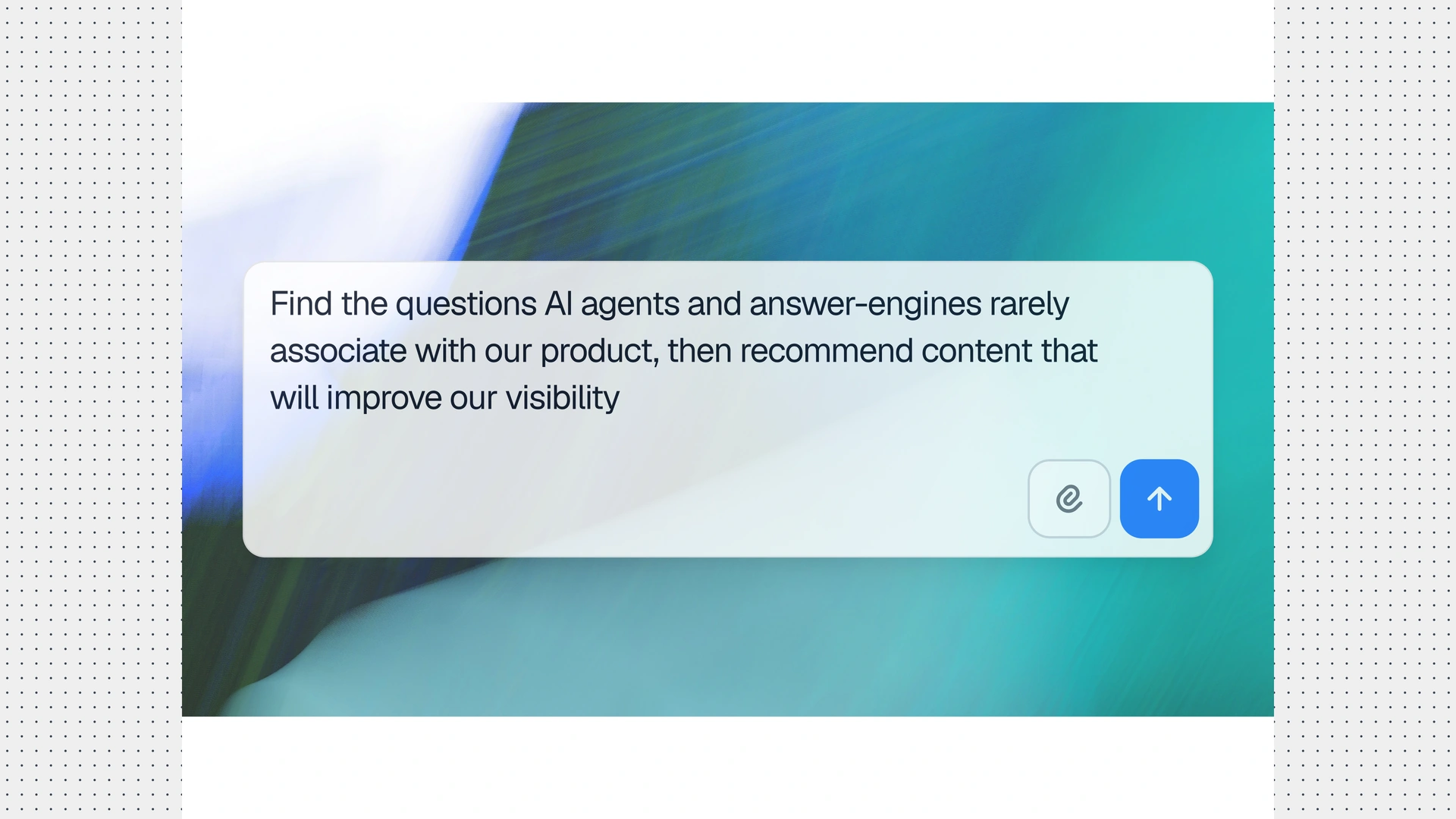
Make the answer clear, and the content accessible to crawlers.
For answer-engine optimization, Gradial helps make questions, answers, claims, and evidence easier to understand. It can also identify access, rendering, canonical, and structured-data issues. Authorable fixes move through the CMS; template, delivery, and code work goes to the approved implementation owner.
You can ask Grady to:
→ Check whether crawlers can access the critical content on these pages.
→ Structure this approved FAQ into clear questions and direct answers.
→ Separate content fixes from rendering or template issues that need engineering.
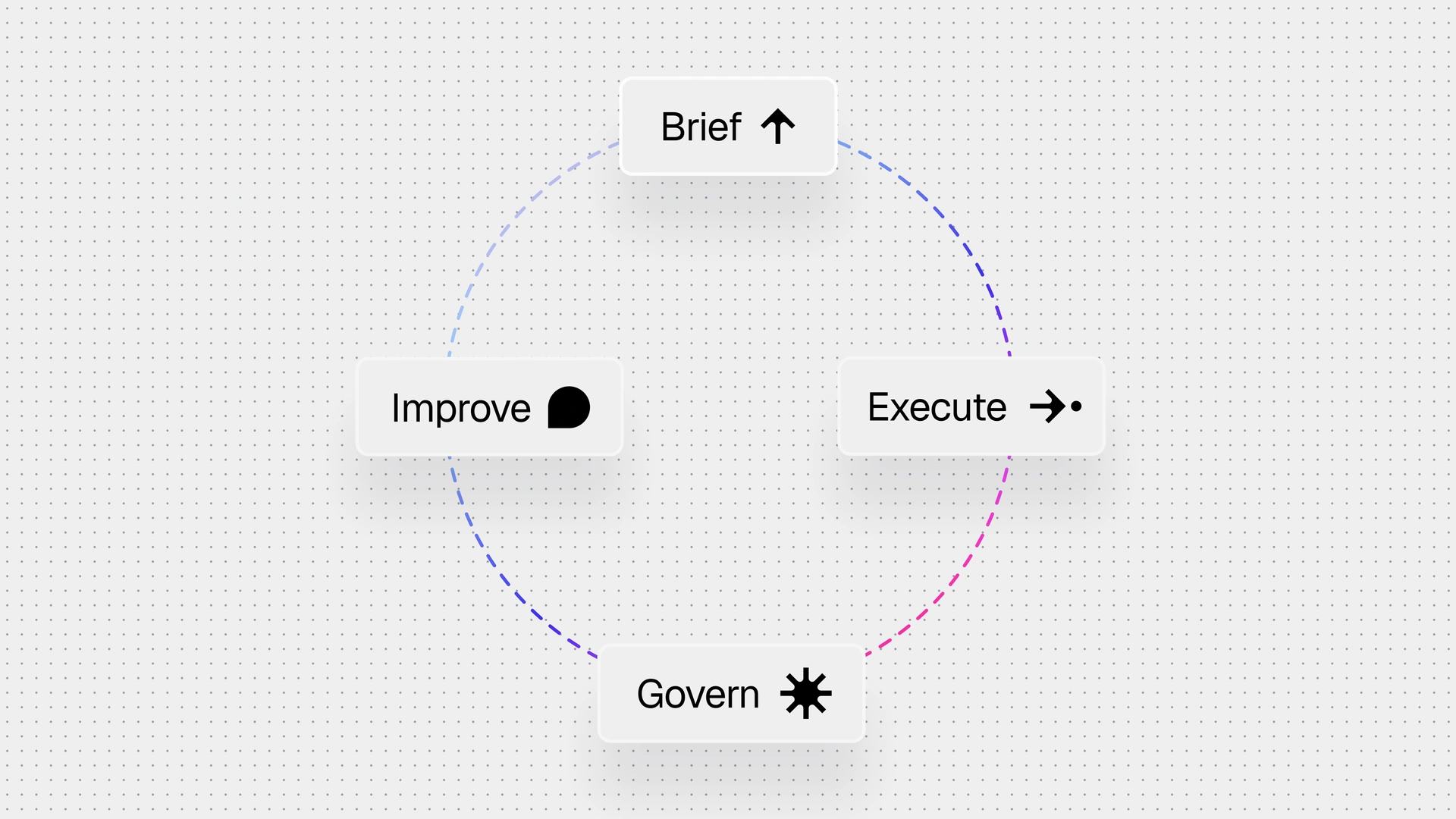
Ship approved fixes. Then check what changed.
Gradial prepares supported updates in your CMS and brings the drafts back for review. After approved changes go live, re-check the same questions and citation sources. Where connected search data is available, review page-level search performance separately from AI visibility.
You can ask Grady to:
→ Turn these prioritized findings into reviewed page-update drafts.
→ Re-run the same buyer questions after the approved release.
→ Compare available search and AI-visibility signals without mixing their metrics.