Creative operations with Gradial connects the production work between a creative brief and a reviewable asset set. Gradial can create requested visual options, adapt approved creative for placements and audiences, and check outputs against supplied production and brand guidance. Your team keeps the decisions about direction, audience fit, and final approval.
Creative Operations
Your creative team has bigger ideas than resizing the last one.
Gradial creates visual assets and adapts approved creative to meet the specs for every channel, audience, and market. Your team sets the direction and finalizes the creative decisions. Agents handle the repeatable production workflows.
The real cost of cropping? Creative brainpower.
A strong concept quickly becomes a long production list: desktop, mobile, social, audience versions, regional treatments. The direction is settled, but the requests keep coming.
Designers spend the week adapting yesterday’s idea instead of developing tomorrow’s.
Gradial takes on those adaptations using your guidance, templates, and reference material. Your team stays close to the creative without having to produce every version by hand.
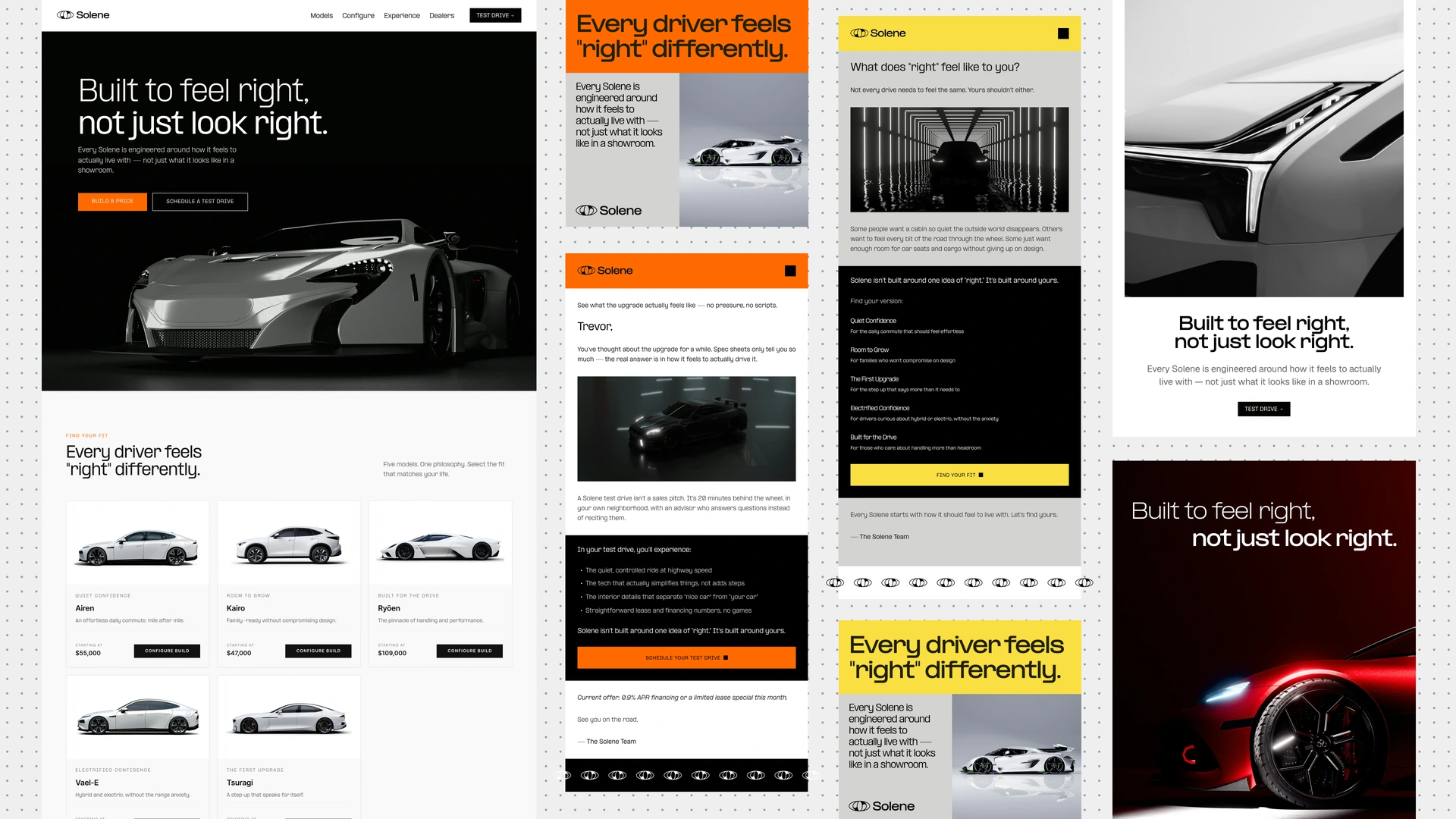
Explore the direction before you commit to it.
Take your creative vision for a test drive. Give Grady the inspiration, direction, and brand context, and see your ideas come to life as visual concepts you can explore, refine, and build on. Your creative expertise determines which ideas have the potential to become something great. Your creative expertise stays in the driver's seat, deciding which ideas resonate with your audience and deserve to accelerate forward.
You can ask Grady to:
→ Generate hero-image options for this campaign brief.
→ Create product lifestyle imagery using these approved references.
→ Develop visual treatments for these campaign audiences.
Carry an idea into all the formats you need.
Once the direction is approved, Gradial produces crops and variants against your placement requirements and asset specifications. Dimensions, subject placement, copy treatments, and brand elements become instructions for production, rather than a new round of explanation every time someone needs another size.
You can ask Grady to:
→ Adapt this campaign image for desktop, mobile, and social.
→ Create branded social cards for these blog posts using our template.
→ Produce audience-specific versions of this approved visual.
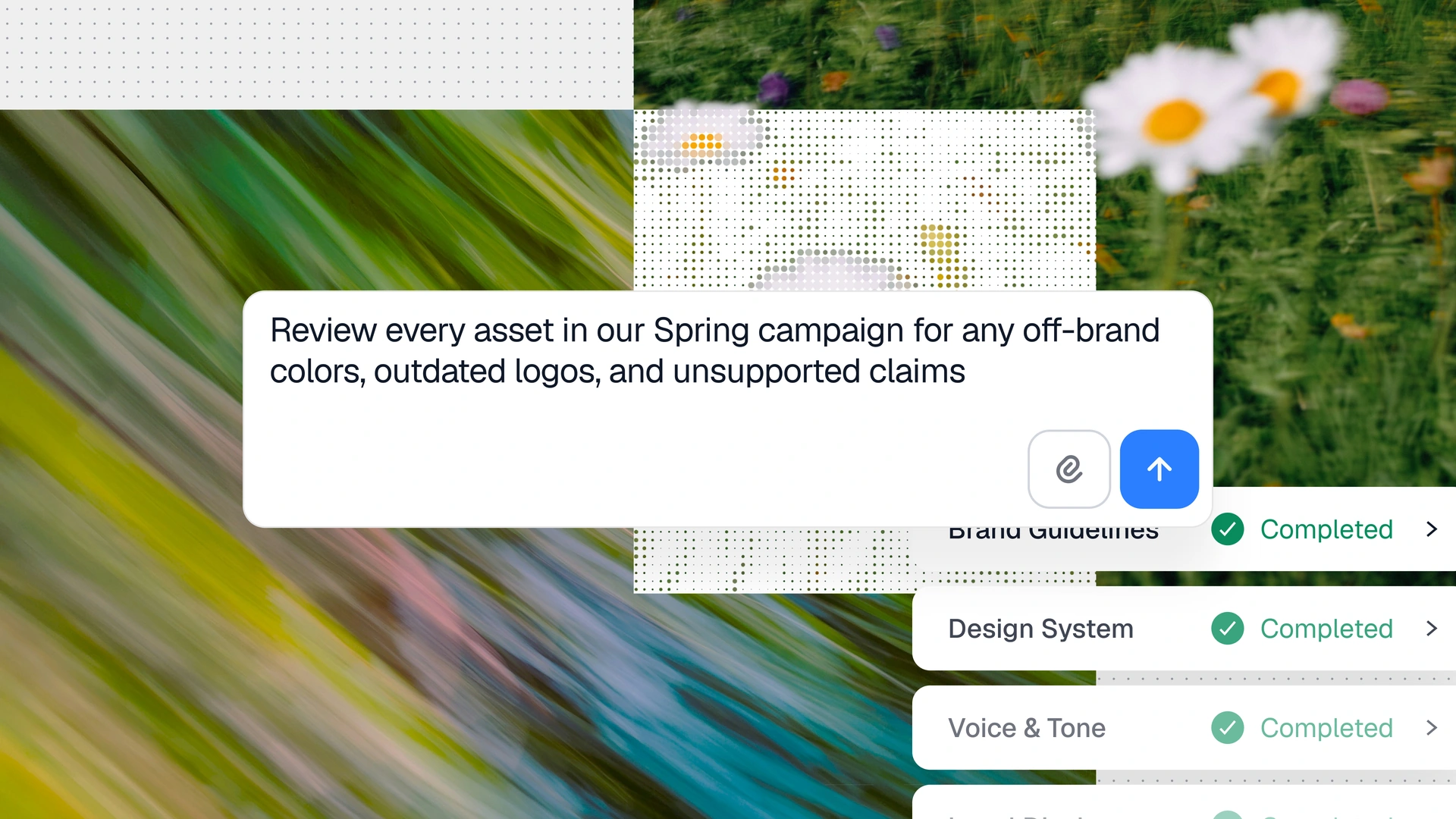
Keep old brand decisions from lingering in new work.
A brand refresh doesn’t finish when the guidelines do. We’ve all seen previous treatments keep finding their way into production. Gradial finds those instances, corrects them, and prevents them from happening next time. Your team reviews the affected work instead of spending its time tracking it down.
You can ask Grady to:
→ Find pages and campaigns still using our old logo.
→ Identify retired terminology in this campaign set.
→ Prepare corrections against our current brand guidance.
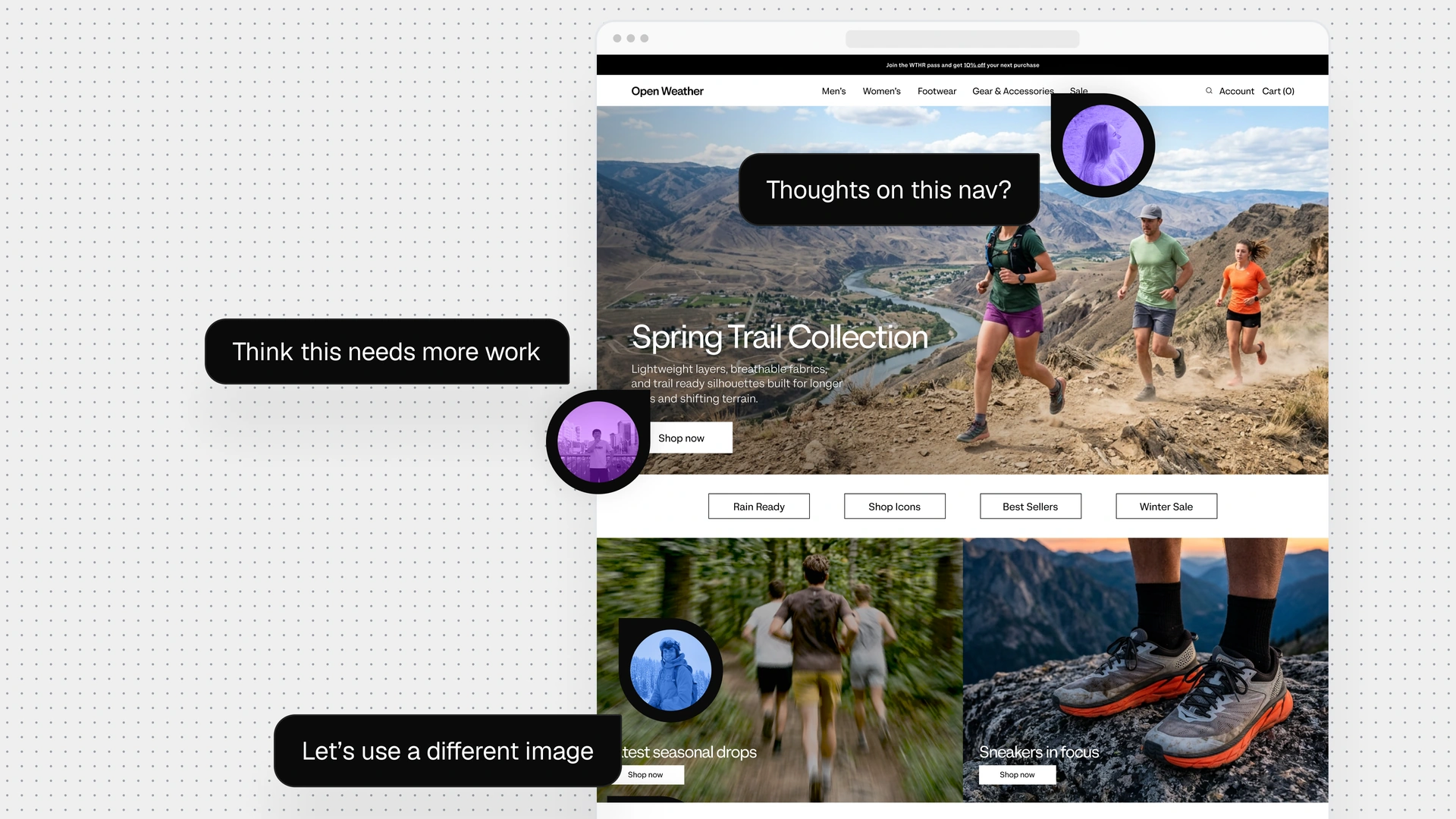
Let the humans make the judgement calls.
A creative review should be about whether the work connects, not whether the dimensions are wrong or the approved disclaimer is missing. Gradial checks outputs against the production and brand guidance you provide, surfaces issues, and prepares revisions. People keep the decisions that require taste, audience understanding, and context.
You can ask Grady to:
→ Check these variants against our brand and placement requirements.
→ Confirm that each regional asset includes its approved disclaimer.
→ Revise the flagged outputs and return the set for approval.