
Gradial home
Slack integration for creating tracked Gradial tickets from Slack threads
All blogs
AnnouncementJul 22, 2026

New in Gradial: Slack, GEO Sentiment, and User Groups

Gradial
AnnouncementProductGEO

AI Summary

  • The Slack integration turns channel requests into tracked Gradial tasks and returns progress and completed responses to the same thread.
  • GEO sentiment analysis shows how AI systems describe a brand through favorability, recurring themes, and supporting quotes.
  • Brand-level GEO tracking measures products, sub-brands, and business units as distinct entities for more accurate mention and citation reporting.
  • User groups let teams mention or assign an entire squad or approval group in one action.

Marketing work rarely begins and ends in one tool. A request starts in a conversation, becomes a tracked task, moves through people and agents, and depends on clear insight about what to do next.

This release brings more of that work into one connected system. Teams can now hand off and follow Gradial tasks from Slack, understand how AI systems describe their brands with GEO sentiment analysis, monitor products and sub-brands as distinct entities, and collaborate with whole teams through user groups.

Together, these updates make Gradial easier to use where work already happens while giving marketing teams a clearer view of how their brands appear in AI-generated answers.
Start and follow Gradial work from Slack

Important marketing requests often arrive in Slack long before they reach a formal workflow. Moving the conversation into another system creates an immediate handoff: someone has to copy the request, recreate the context, and return to the thread with updates.

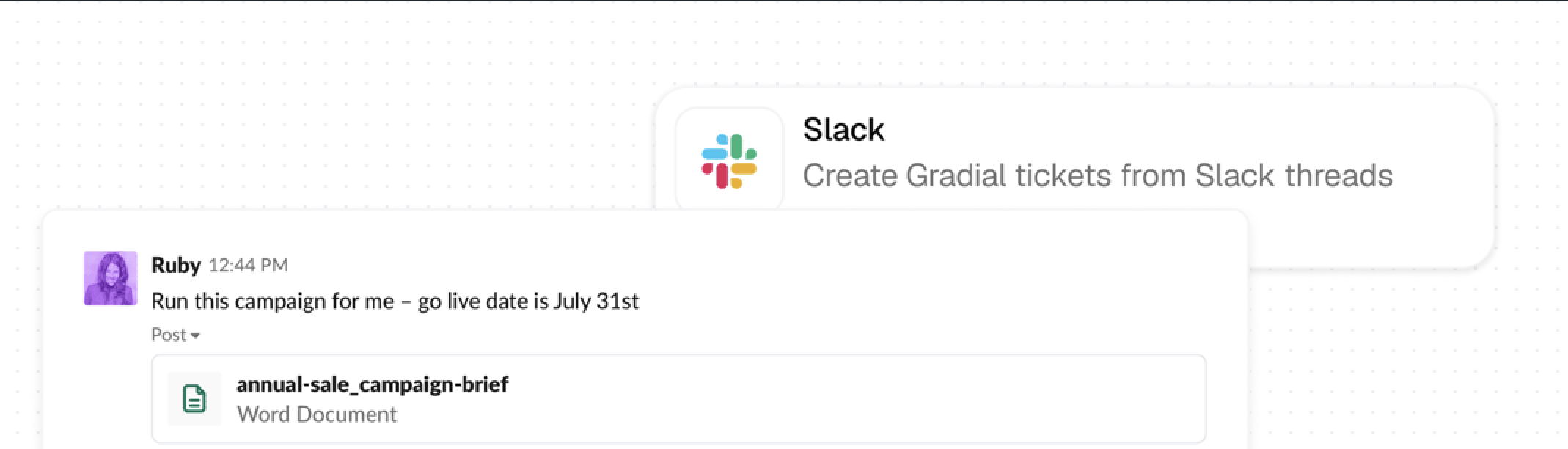
The new Slack integration removes that extra step. Mention Gradial in a channel to turn a request into a tracked Gradial task. The Slack thread stays connected to the work, so the team can follow progress and receive the completed response without switching tools.

This is more than a notification feed. It creates a direct path from conversation to governed execution:

  • Hand off the request in context. Start from the thread where the team is already discussing the work.
  • Keep progress visible. Follow the tracked task without chasing status across tools.
  • Bring the result back to the team. Receive the completed response in the same thread where the request began.

The result is a simpler operating loop: the conversation starts the work, Gradial tracks and executes it, and the team stays informed in Slack.

Watch the Slack demo on YouTube.

See how AI systems describe your brand

Being mentioned in an AI answer is only part of the story. The language surrounding that mention shapes what a buyer learns about your brand: whether it is presented favorably, which strengths recur, and which concerns or neutral themes appear across answers.

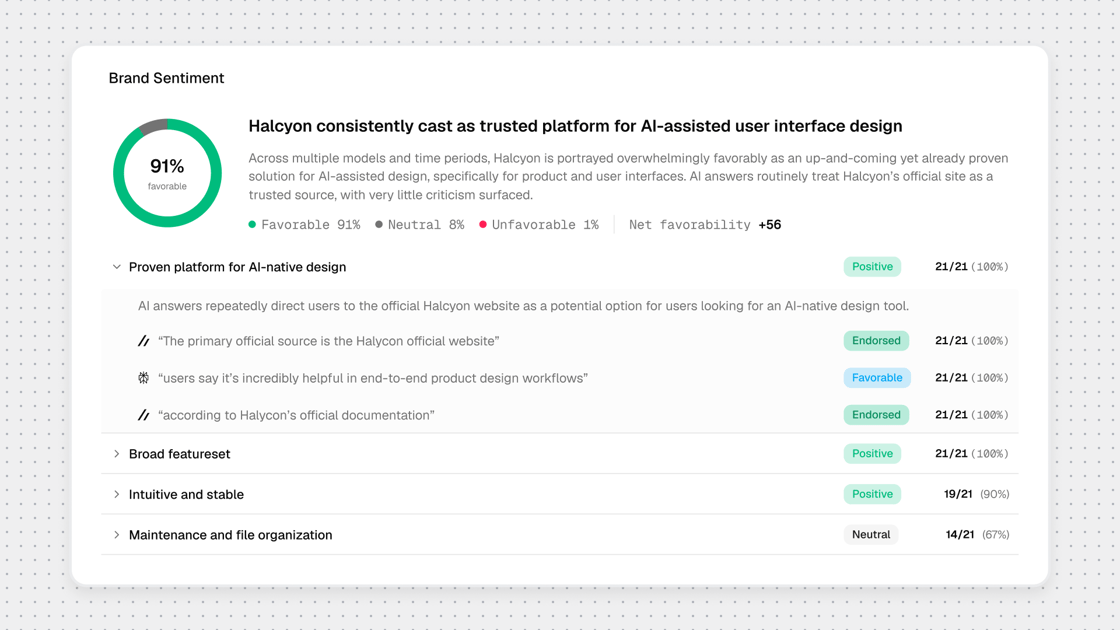
GEO Monitoring now includes brand sentiment analysis so teams can understand that narrative, not just count mentions and citations. The Brand Sentiment view brings together:

  • Overall favorability across monitored answers
  • Recurring perception themes
  • Supporting quotes from AI-generated responses
  • The distribution of favorable, neutral, and unfavorable descriptions

That context helps teams distinguish a visibility problem from a perception problem. A brand may appear frequently and still be framed in ways that are incomplete, inconsistent, or out of step with the narrative the team wants customers to encounter.

Watch the GEO sentiment analysis demo on YouTube.

Gradial Brand Sentiment dashboard showing favorability, perception themes, and supporting AI-answer quotes

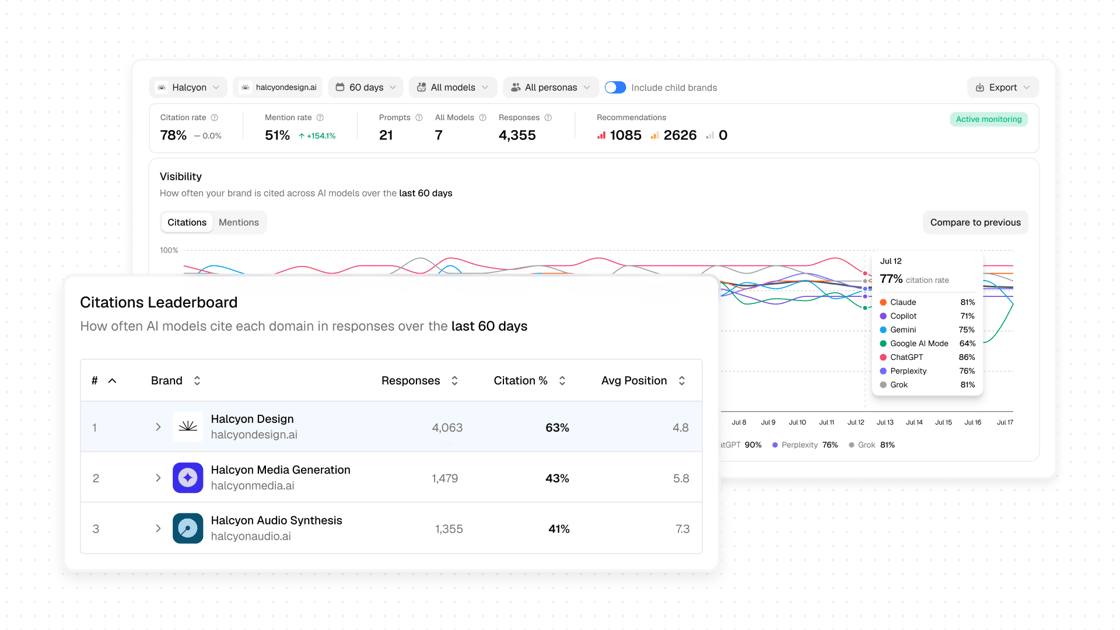
Track products, sub-brands, and business units accurately

Enterprise brand portfolios rarely map neatly to one company name. A product, sub-brand, or business unit can have its own domain, audience, competitive set, and position in AI-generated answers.

Brand-level tracking lets teams monitor those entities directly. Instead of rolling every result up to a top-level parent company, GEO Monitoring can follow a specific brand and report its mentions and citations on its own terms.

This matters when AI systems recognize the product or sub-brand but do not associate every answer with the parent organization. Tracking the entity buyers actually ask about produces a more accurate view than a misleading 0% tied to the wrong level of the brand hierarchy.

Teams can use that view to compare performance across a portfolio, identify which brands earn citations from owned domains, and focus content work where an individual brand is underrepresented.

Gradial GEO dashboard tracking citations and mentions for a selected brand and its related brands

Work with entire teams in one action

Marketing execution is multiplayer. A ticket may need the attention of a brand team, regional squad, legal group, or launch committee—not a series of individual mentions assembled from memory.

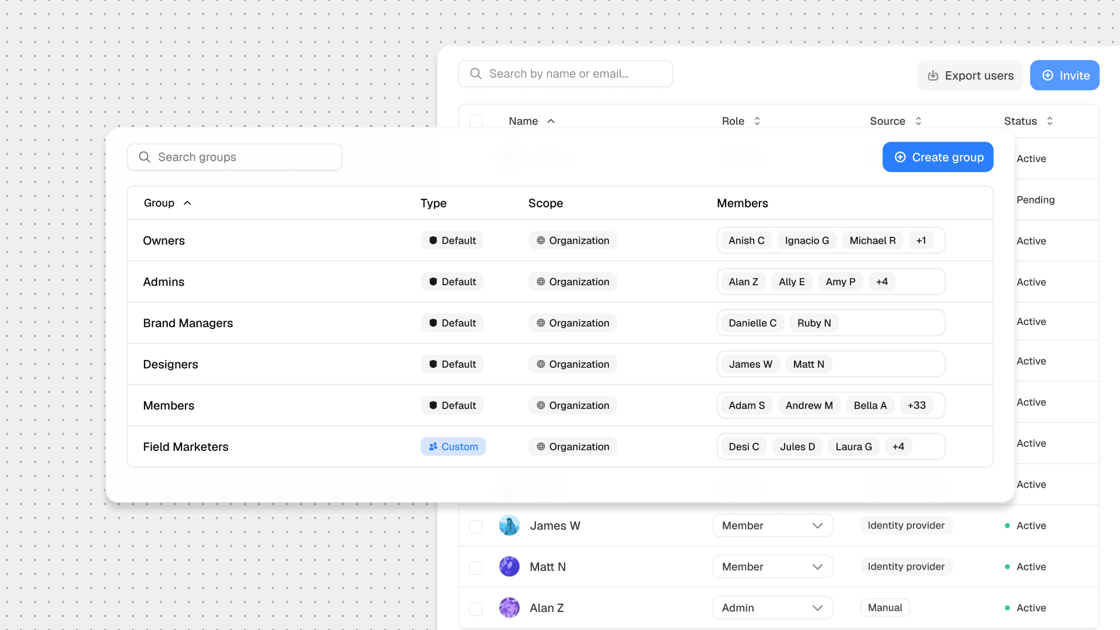
User groups let organizations define those teams once and work with them as a unit. Mention a whole squad on a ticket or assign a team as an approver without tagging people one at a time.

Groups make recurring workflows easier to manage because the operating structure lives in Gradial:

  • Mention the right team. Bring a functional or project group into the conversation in one action.
  • Assign group approvals. Route a decision to the team responsible for reviewing it.
  • Keep membership current. Manage default and custom groups as the organization changes.

That reduces missed stakeholders and repetitive setup while preserving the human judgment required for important marketing decisions.

Gradial user groups interface showing default and custom teams with their members

One system for the work, the insight, and the people

These updates address different parts of marketing operations, but they share one goal: keep work connected.

  • Slack connects the conversation to tracked agent execution.
  • GEO sentiment connects visibility data to the narrative customers encounter.
  • Brand-level tracking connects measurement to the entity buyers actually know.
  • User groups connect recurring work to the teams responsible for moving it forward.

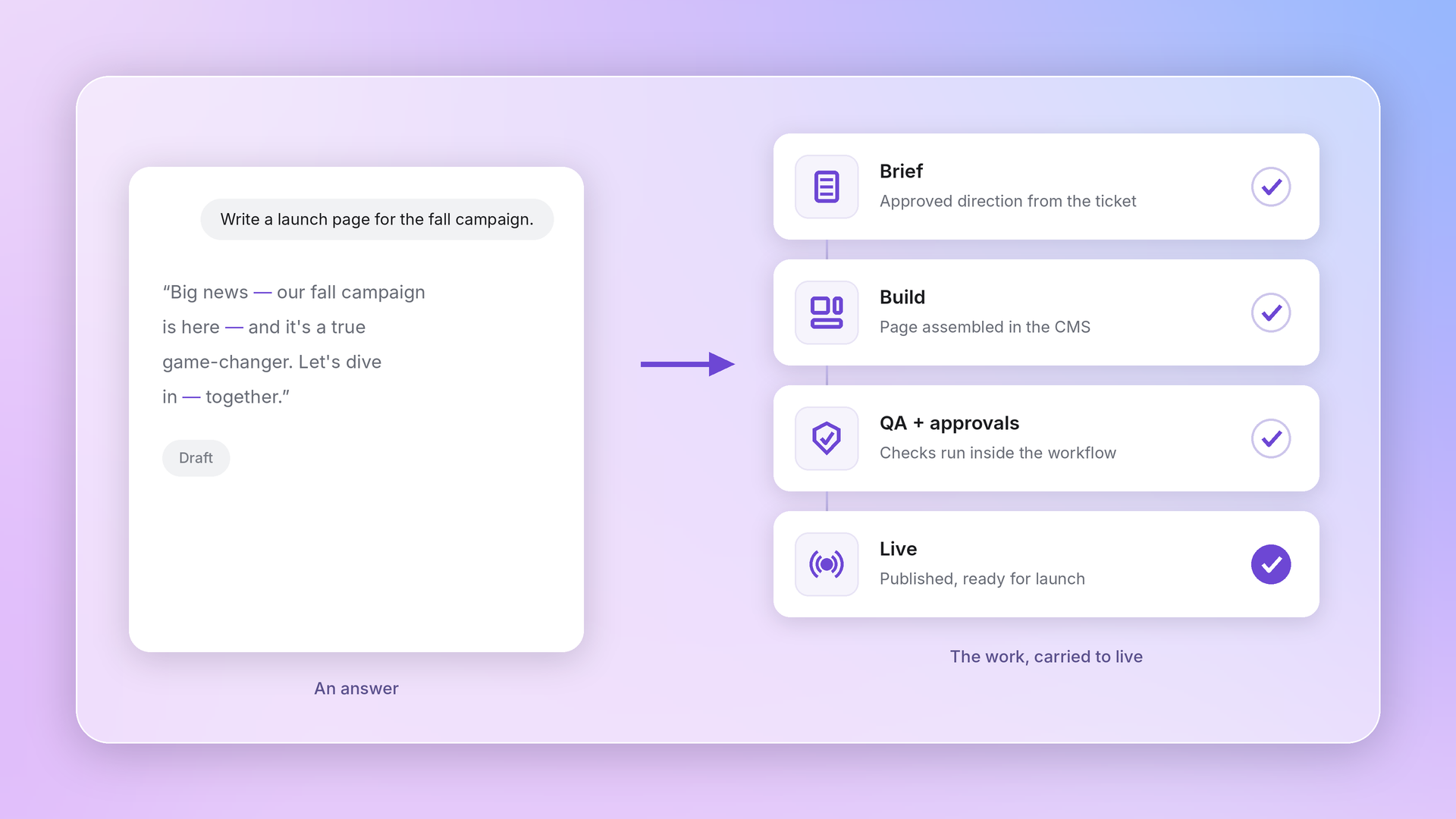
That is what a marketing system of work should do. Agents execute tasks, people provide direction and judgment, and the platform keeps the workflow, context, and outcome visible across the organization.

Get started

Contact your Gradial account team to activate these features for your organization. If you are new to Gradial, request a demo to see how a system of work connects people, agents, and tools across enterprise marketing.