





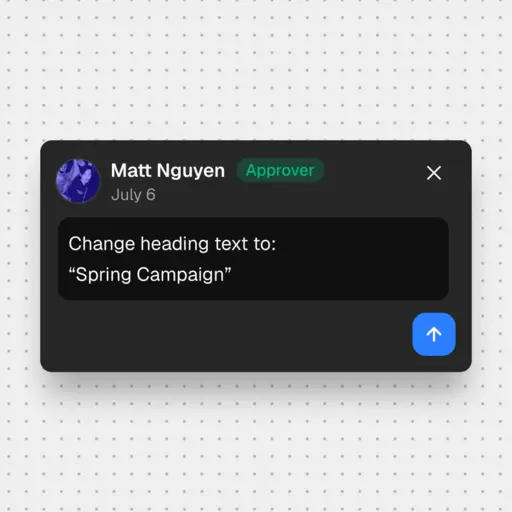

Too many translations
Channel strategy is repeatedly translated into tickets, spreadsheets, platform fields, and reviewer notes.
Gradial handles the repeatable work across media planning, campaign setup, trafficking, launch coordination, audience and placement management, budget and bid changes, and in-flight updates. Media specialists keep authority over strategy, investment decisions, platform policy, and final approval.
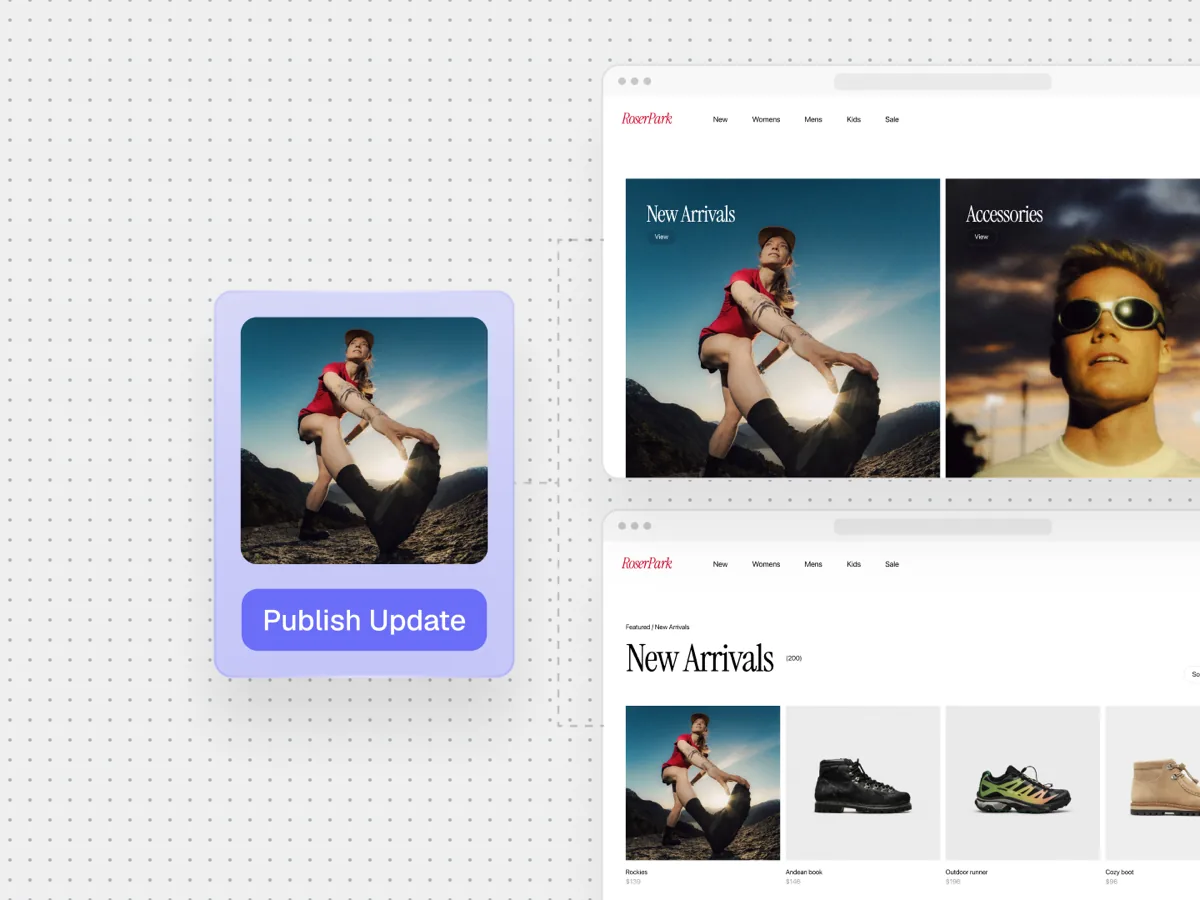
The operational gap opens when strategy must become exact campaign structures, creative assignments, destinations, audiences, placements, budgets, bids, dates, checks, and approvals. Each handoff creates another place for context to drift.
Too many translations
Channel strategy is repeatedly translated into tickets, spreadsheets, platform fields, and reviewer notes.
Too little shared context
Creative, media, analytics, brand, legal, and platform owners can work from different versions of the plan.
Every change reopens coordination
A new audience, placement, budget, bid, destination, or asset can trigger another manual readiness cycle.
Gradial performs the repeatable coordination and execution within the systems, permissions, and rules your organization approves.
01
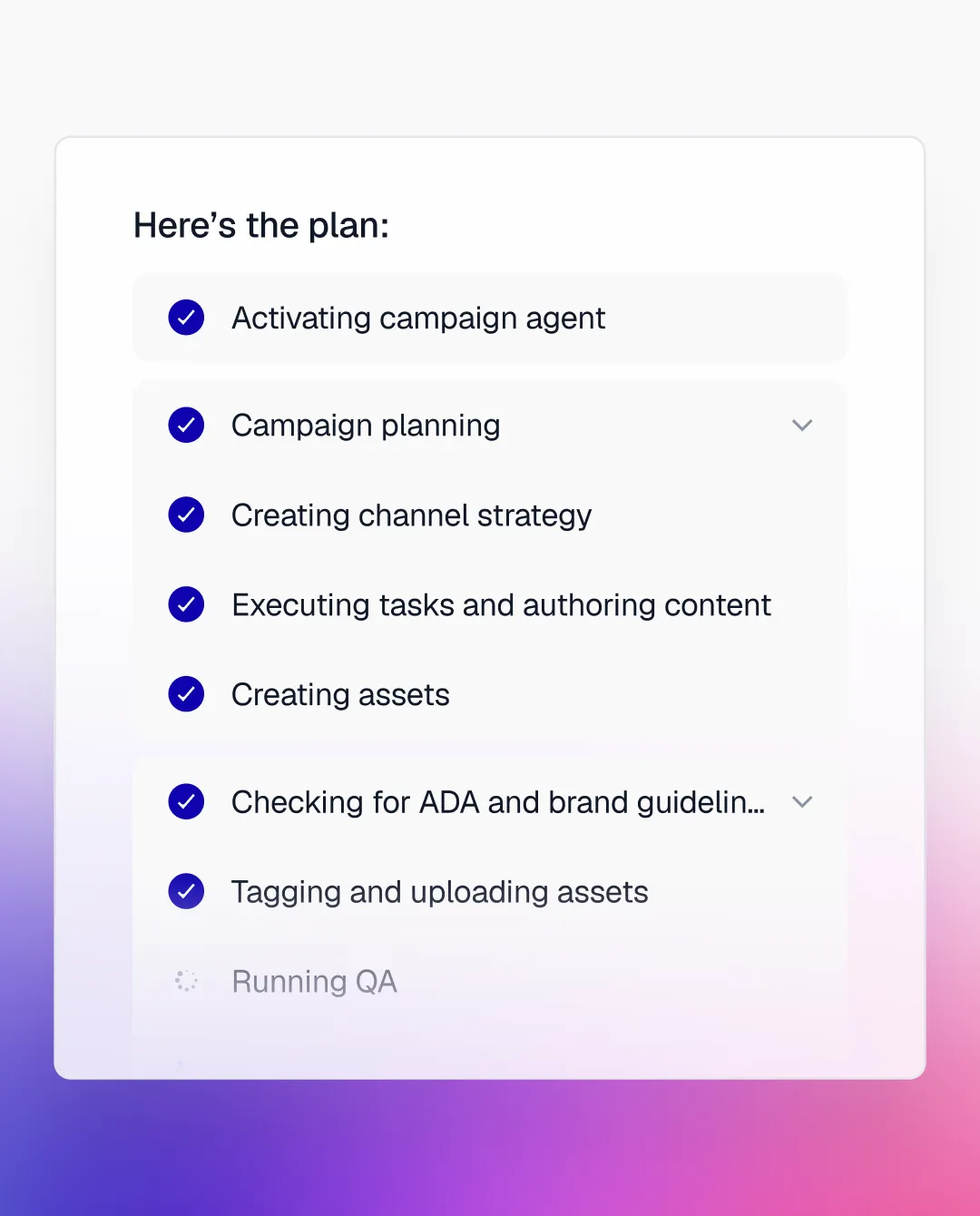
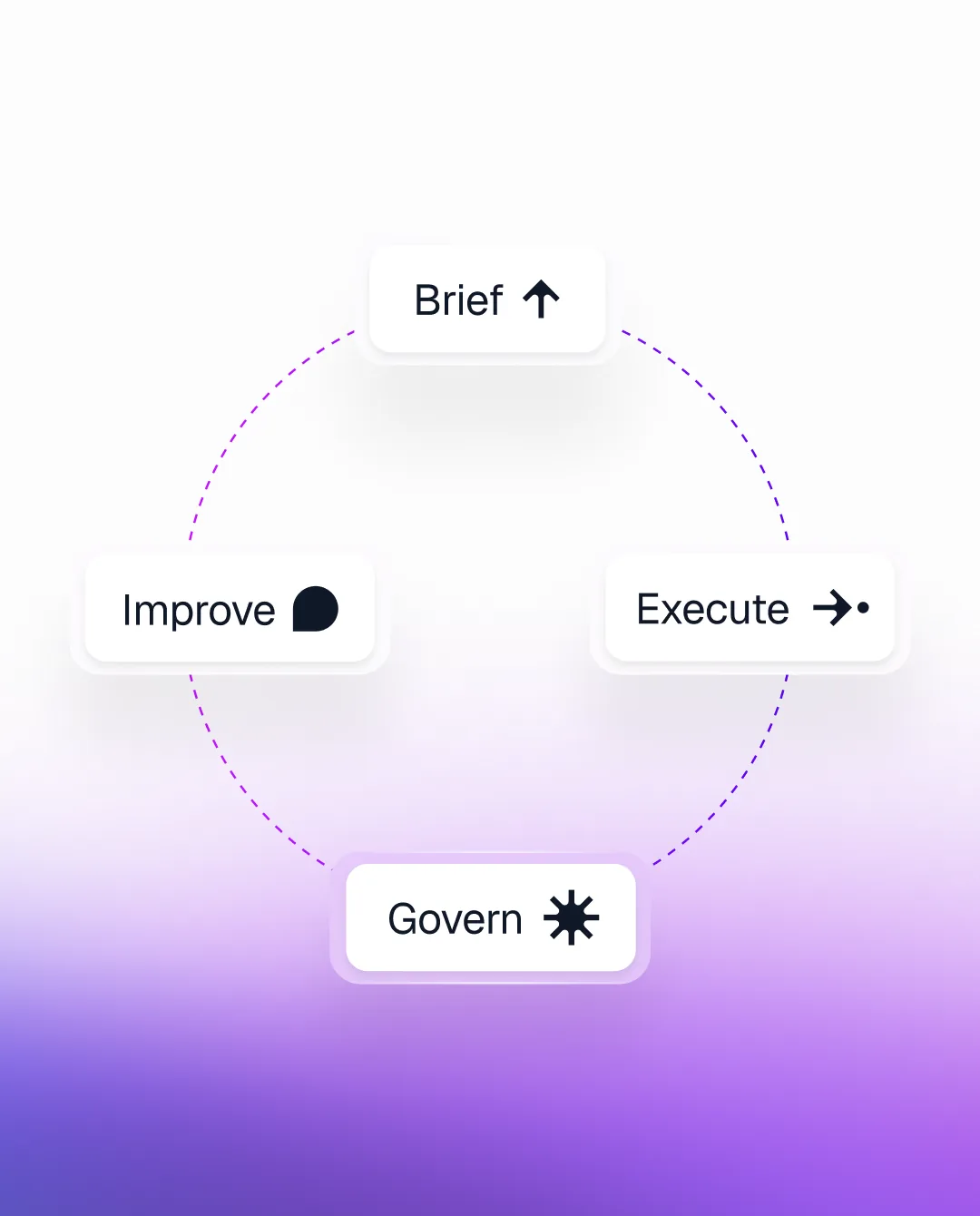
Gradial organizes approved objectives, channels, audiences, placements, flight dates, budgets, dependencies, owners, and decision gates into one campaign plan.

02
Gradial creates review-ready campaign structures, naming, dates, destinations, creative assignments, tracking inputs, and supported platform details.
03
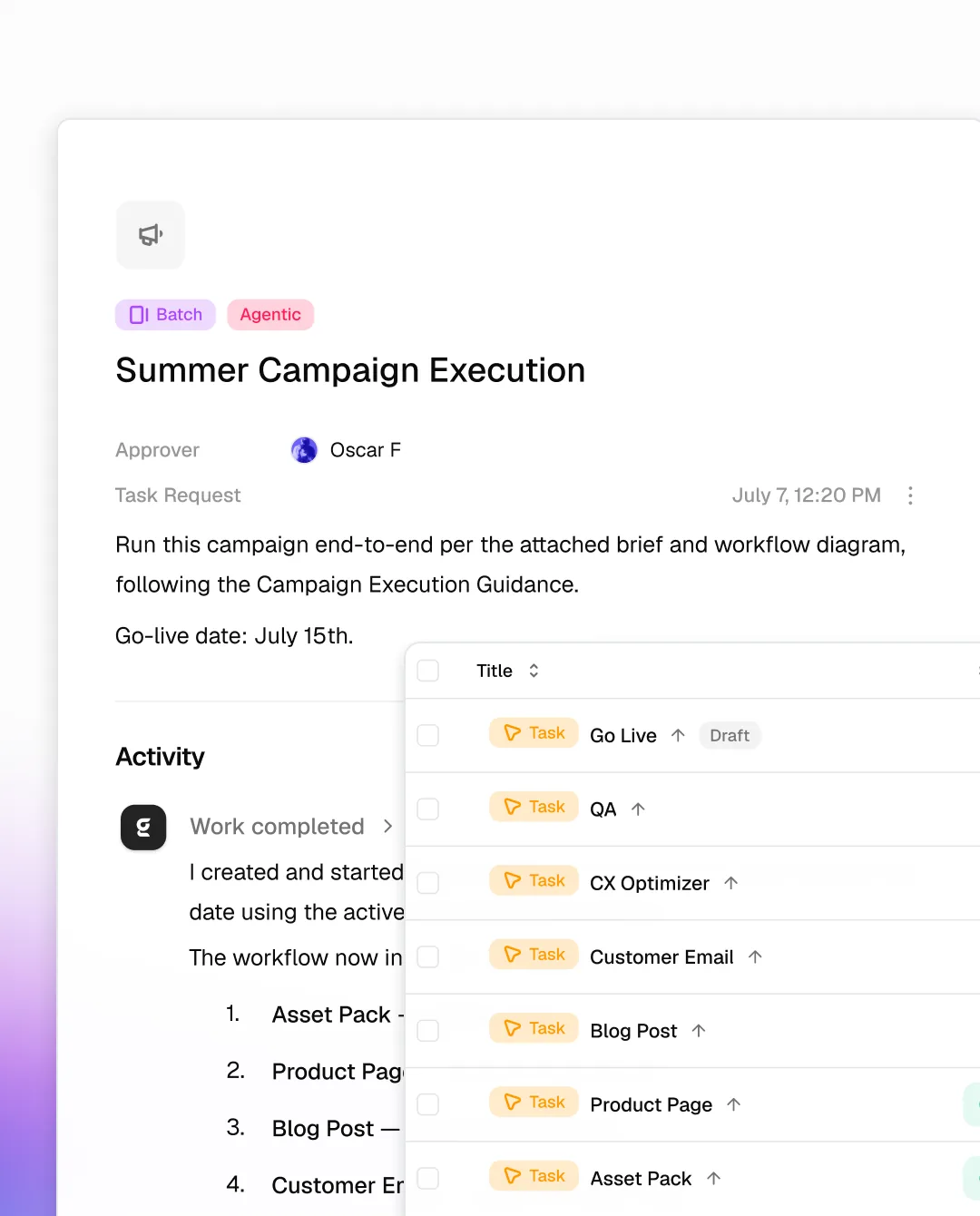
Approved creative and copy are matched to placements with the intended destinations, tracking details, audiences, dates, and versions attached.
04
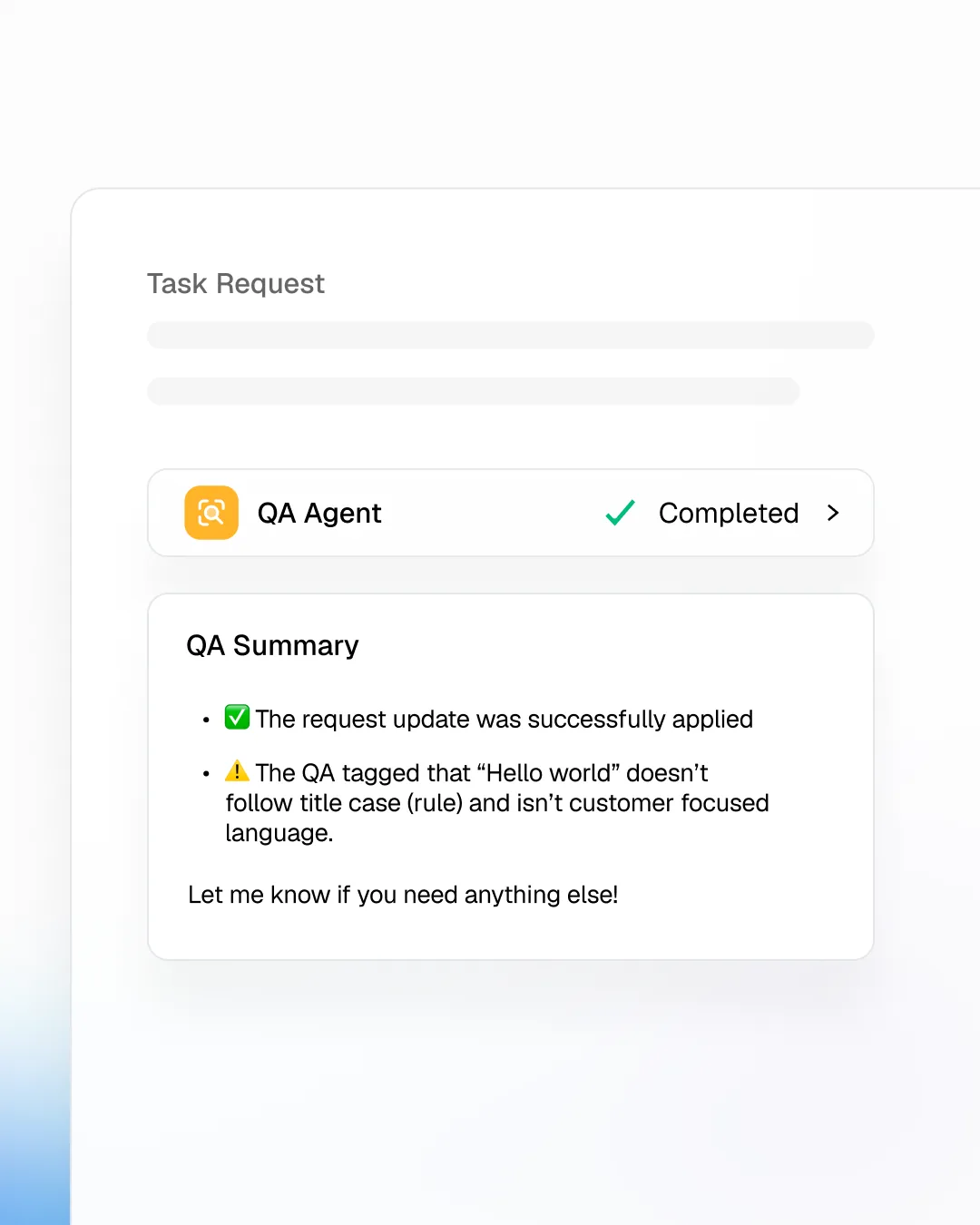
Gradial assembles checks, open dependencies, previews, exceptions, and required reviews so the accountable owner can make the launch decision.
05
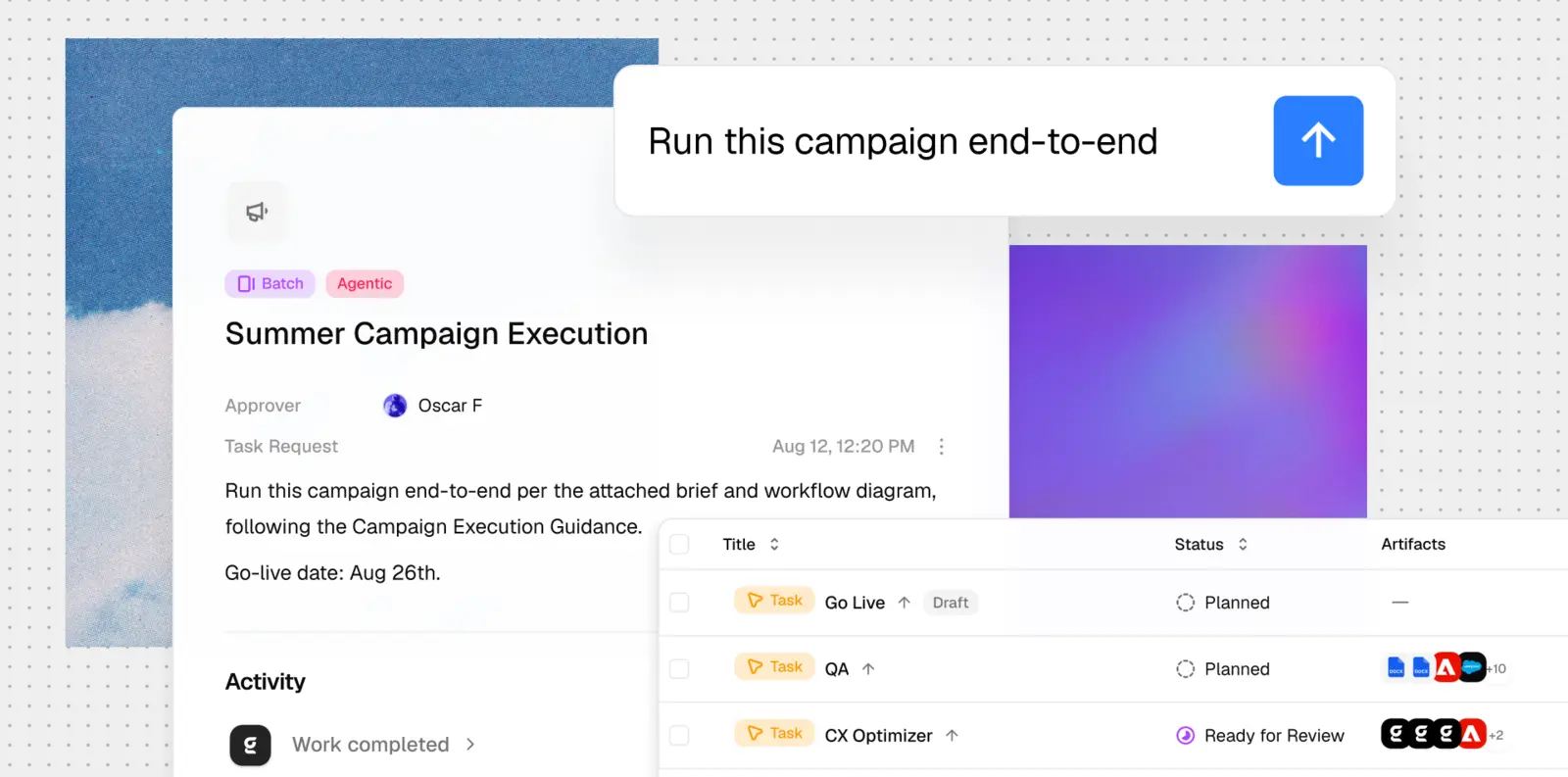
Authorized updates to creative, destinations, audiences, placements, dates, budgets, and bids are applied where supported, with source direction, decisions, and resulting state kept together.
Gradial removes repetitive production and coordination without treating media expertise as unattended automation. Teams decide the operational boundary before work begins.
Gradial performs
Organize inputs, prepare supported setup, coordinate trafficking, apply authorized changes, run defined checks, record history, and package decisions for review.
Media specialists decide
Channel mix, audience strategy, placement quality, investment levels, bidding approach, optimization logic, and performance tradeoffs.
Accountable owners approve
Launches and material changes to audiences, placements, budgets, bids, creative, destinations, or timing at the thresholds the organization defines.
Confirm objectives, audiences, placements, flight dates, budget allocation, measurement requirements, owners, and the boundaries of Gradial’s role.
Review creative mappings, copy, destinations, tracking inputs, dates, and supported platform settings before launch.
Review one readiness view with required specialist signoffs, unresolved exceptions, and the exact action being requested.
Route audience, placement, budget, bid, creative, destination, and timing changes according to defined thresholds and ownership.