
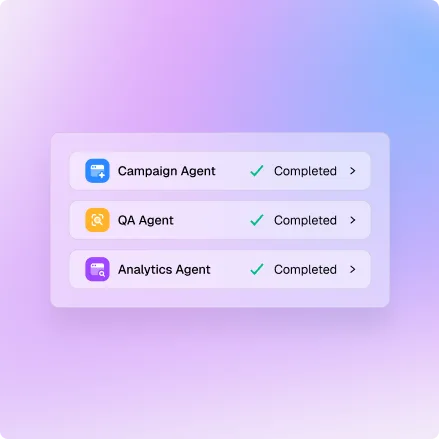

1. See what the crawler gets
Check access, rendered content, canonicals, and what disappears when JavaScript does not run.
Gradial changes what the CMS can safely change and sends template or code work to the team that owns it.
Check access, rendered content, canonicals, and what disappears when JavaScript does not run.
Tighten headings, page structure, claims, and supporting evidence so the page answers a clear question.
Review metadata and structured data for accuracy and alignment with the visible page.
Make authorable changes in the CMS. Route rendering, canonical, or code-level work to engineering.
Confirm the approved change made the content extractable. Citation and ranking outcomes are measured separately.
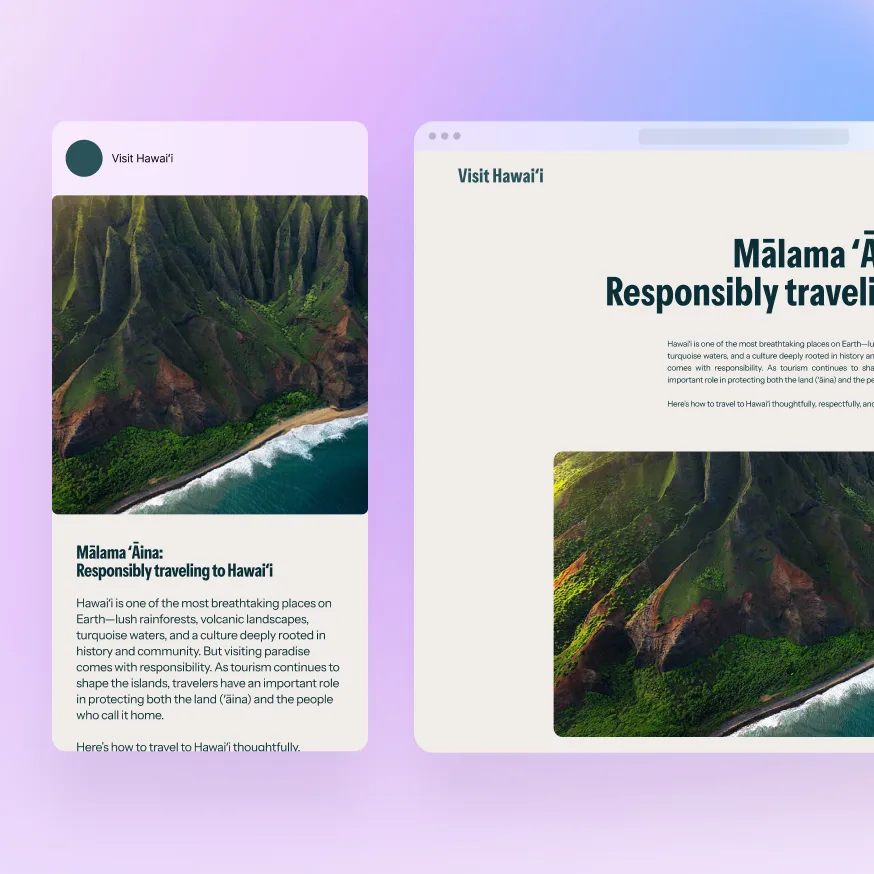
Know whether the problem lives in the page, the template, or the delivery layer.
Turn a citation gap into a concrete list of pages and fixes.
Get each fix to the right owner without producing another deck.
Copy, headings, links, and supported metadata move through the normal CMS review.
Rendering, canonical logic, and template-level structured data follow the implementation path your team approves.
Actions and decisions are recorded. Recovery options follow the target system’s versioning and release controls.
Gradial connects crawlability work across the CMS, DAM, design, ticketing, workflow, and email systems your teams already use.
AEM Sites & Assets
Sitecore
Bynder
Figma
Jira
Workfront
Wrike
Marketo
SFMC
Strong Google visibility does not confirm that every AI system receives the same critical content. Google and AI answer systems can use different crawlers, rendering behavior, access rules, source preferences, and citation patterns.
A mention means an AI answer names the brand. An owned-domain citation links to the brand's page as a source. The studies measure both because a brand can be widely mentioned while third-party sites receive the citation.
Not always. Heading hierarchy, answer blocks, visible claims, links, and supported metadata can often be improved through CMS authoring. Client-side rendering, canonical logic, or template-level structured data may require engineering work.
No. Accurate structured data can make page meaning more explicit, but it does not guarantee inclusion, attribution, rankings, or citations. Content authority, specificity, access, and model behavior still matter.

51 institutions, more than 7,000 data points, and findings on rendering, structured data, mentions, and citations.

55 brands, more than 7,700 data points, and findings on crawler access, rendering, canonicals, mentions, and citations.
Sign up to receive product releases, execution insights, and real-world use cases from the Gradial system of work.