
AI Summary
- Most CMS migration plans fall apart due to misconfigured components, manual QA, and outdated workflows.
- Gradial uses agentic execution to automate content interpretation, tagging, and assembly.
- It’s not just about migrating faster — it’s about building a smarter, scalable content system for your enterprise CMS.
The plan looked good on paper…
What starts as a clean, well-scoped CMS migration plan often unravels.
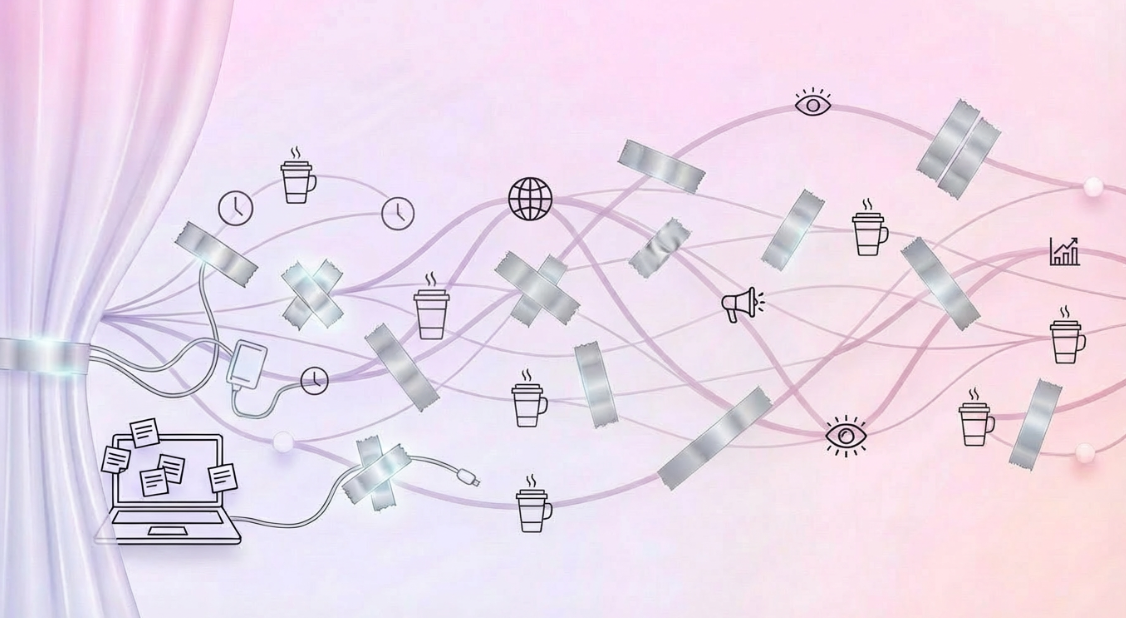
Timelines are mapped, stakeholders are aligned, and tools are in place, but things rarely go as expected. Priorities shift. New voices get involved. Technical debt shows up in unexpected ways. Suddenly, your team isn’t just migrating content — they’re managing misalignment, broken components, and constant rework.
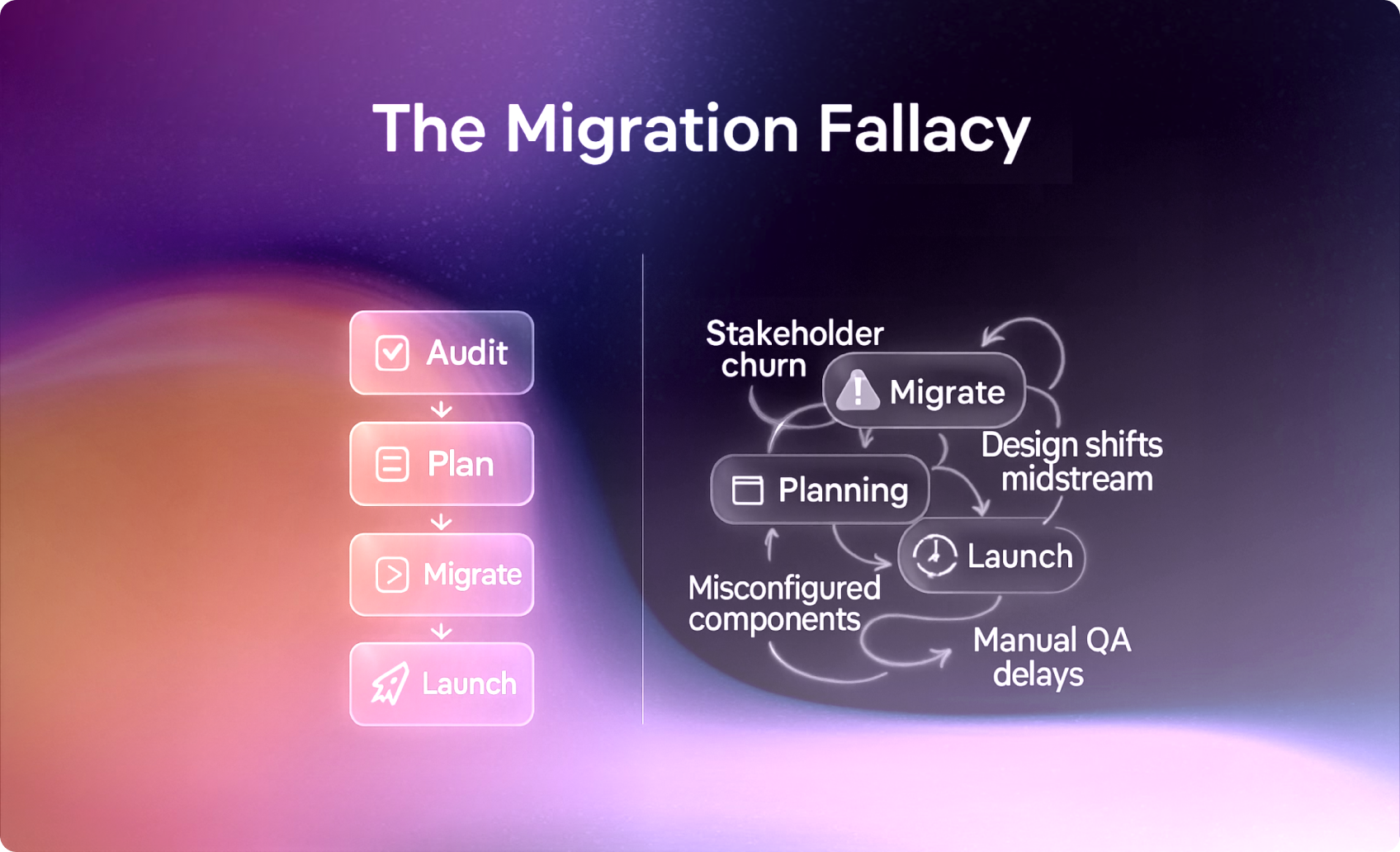
Everyone’s seen the idealized migration roadmap: audit, plan, migrate, launch.
But real-world replatforming looks a lot messier.
- Stakeholder churn derails planning
- Components break in production
- Design shifts midstream
- QA cycles drag on for weeks
You start to hit the usual patterns:
- Thousands of URLs to audit and transfer
- A design system that evolves midstream
- Components that look great in staging but fail in production
- Stakeholders redefining “done” as you go
- A launch date that keeps getting pushed back
I’ve seen this play out again and again. The details change, but the underlying pain points tend to show up in the same places.
The Hidden Headaches of CMS Migration
Most teams focus on the big picture: what’s being moved, where it’s going, and how fast it needs to happen. But the real drag on timelines happens in the small failures that compound into major delays.
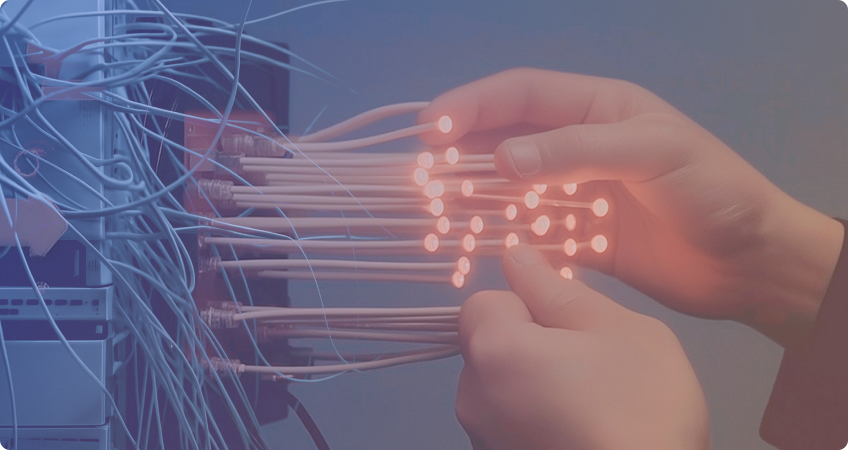
The real blockers live in the layers underneath:
- Copy that no longer fits the structure of the new CMS
- Metadata that gets lost or corrupted during import
- Image assets that need resizing, renaming, and reformatting
- Broken modules that fail in production environments
- CTAs that don’t align with the updated component hierarchy
These aren’t edge cases — they’re what make or break enterprise replatforming. And when they’re handled manually, timelines explode and trust erodes.
The Agentic Difference
At Gradial, we took a different approach to CMS migration. Instead of asking people to interpret outdated pages, briefs, and decks by hand, we built a platform that uses AI agents with reasoning capabilities. These agents don’t just see what content exists — they understand what it’s trying to do.
This is agentic execution for enterprise CMS workflows — and it changes everything.
Here’s how it works:
- Ingest: Agents pull in unstructured content from Figma, Google Docs, legacy CMS exports, and more.
- Interpret: They analyze layout, content type, and structural intent — mapping it to your current design system.
- Assemble: Pages are built, tagged, QA’d, and staged — automatically.
No guesswork. No redundant meetings. No waiting for weeks.

CMS migration is the wedge. It’s the moment that reveals just how broken your content operations really are.
But the real value happens after the migration — when agentic systems take over and automate what used to slow you down.
With Gradial’s AI-powered CMS workflow automation, your team can:
- Skip the ticket queue and publish content updates on demand
- Use real-time data to optimize variants and performance
- Ensure brand consistency and accessibility by default
- Track compliance with built-in audit trails
You’re not just launching faster.
You’re building a smarter, self-improving system.
The Compounding Value of Agentic Execution
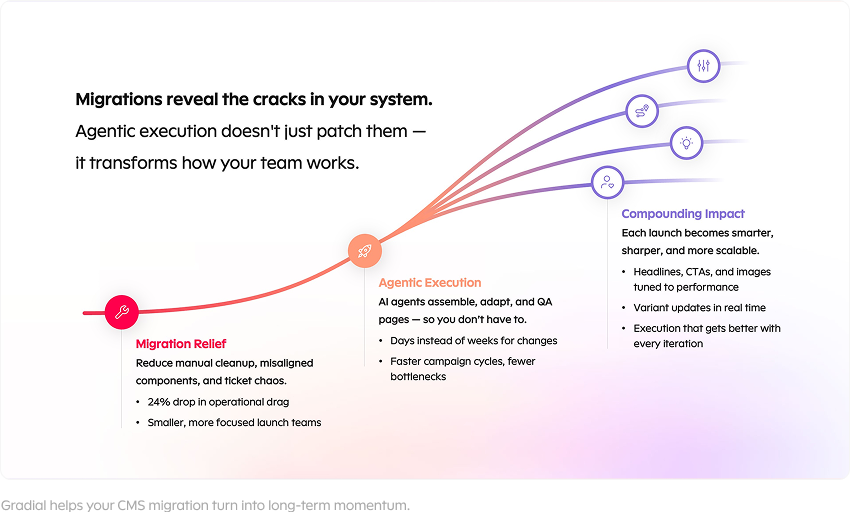
Agentic execution doesn’t just eliminate manual effort. It compounds.
- Productivity: Less time spent on QA cycles, task wrangling, and copy-paste work
- Throughput: Content moves from brief to publish in days instead of weeks
- Personalization: Content evolves with each launch using live data and feedback
From Migraine to Momentum
Yes, content migration can be painful. But it can also be the catalyst for a smarter, more scalable content system.
With Gradial, CMS migration isn’t just about going live. It’s about setting up a content engine that gets faster, sharper, and more autonomous with every launch.
This isn’t just a better workflow.
It’s a better operating model.

Lee Asling
Principal Solutions EngineerLee is a certified AEM Architect with nearly 20 years of MarTech expertise and over a decade of specialized CMS experience. Having implemented enterprise CMS solutions for numerous Fortune 500 companies, Lee brings deep expertise in content supply chain optimization, personalization, SEO, and comprehensive MarTech strategy. At Gradial, they leverage this extensive background alongside Agentic AI to architect self-service marketing workflows that transform how enterprise marketers manage content from creation through publishing.
Get updates from where the work gets done
Sign up to receive product releases, execution insights, and real-world use cases from the Gradial system of work.