Bulk safety and label updates. When safety information changes, it rarely affects just one page.
ISI sections, boxed warnings, and dosage language can appear across HCP pages, patient sites, campaign microsites, archived content, and regional variations. Even with structured components, finding and updating every affected instance across a distributed page ecosystem is resource-intensive and high-risk when done manually.
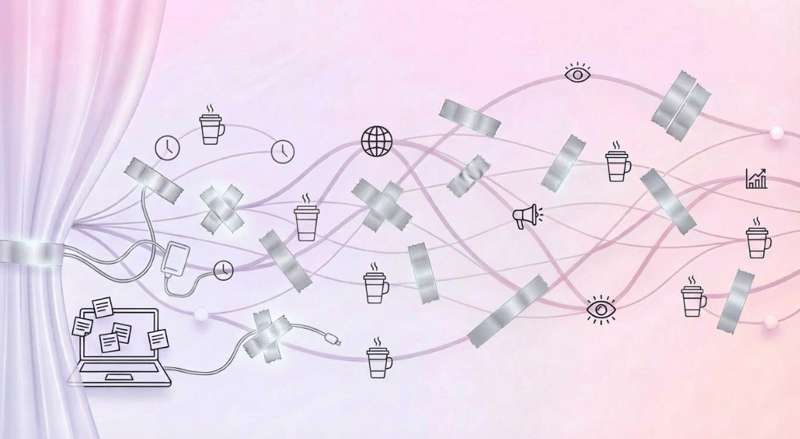
The bottleneck isn’t AEM’s capability, it’s execution at scale.
Pharma organizations operating across global markets with dozens of stakeholders involved in every asset know this firsthand: the latency isn’t in the platform, it’s in the workflow between the decision to update and the moment every affected page is live.
MLR bottlenecks and rework. Medical, legal, and regulatory review is essential, but the way most teams execute it creates compounding delays.
Inconsistent claim language gets flagged. Accessibility gaps get discovered late. Brand rule violations surface after build. Metadata inconsistencies trigger resubmission. Every rejected submission means more time re-authoring inside AEM, and every rework cycle adds days or weeks.
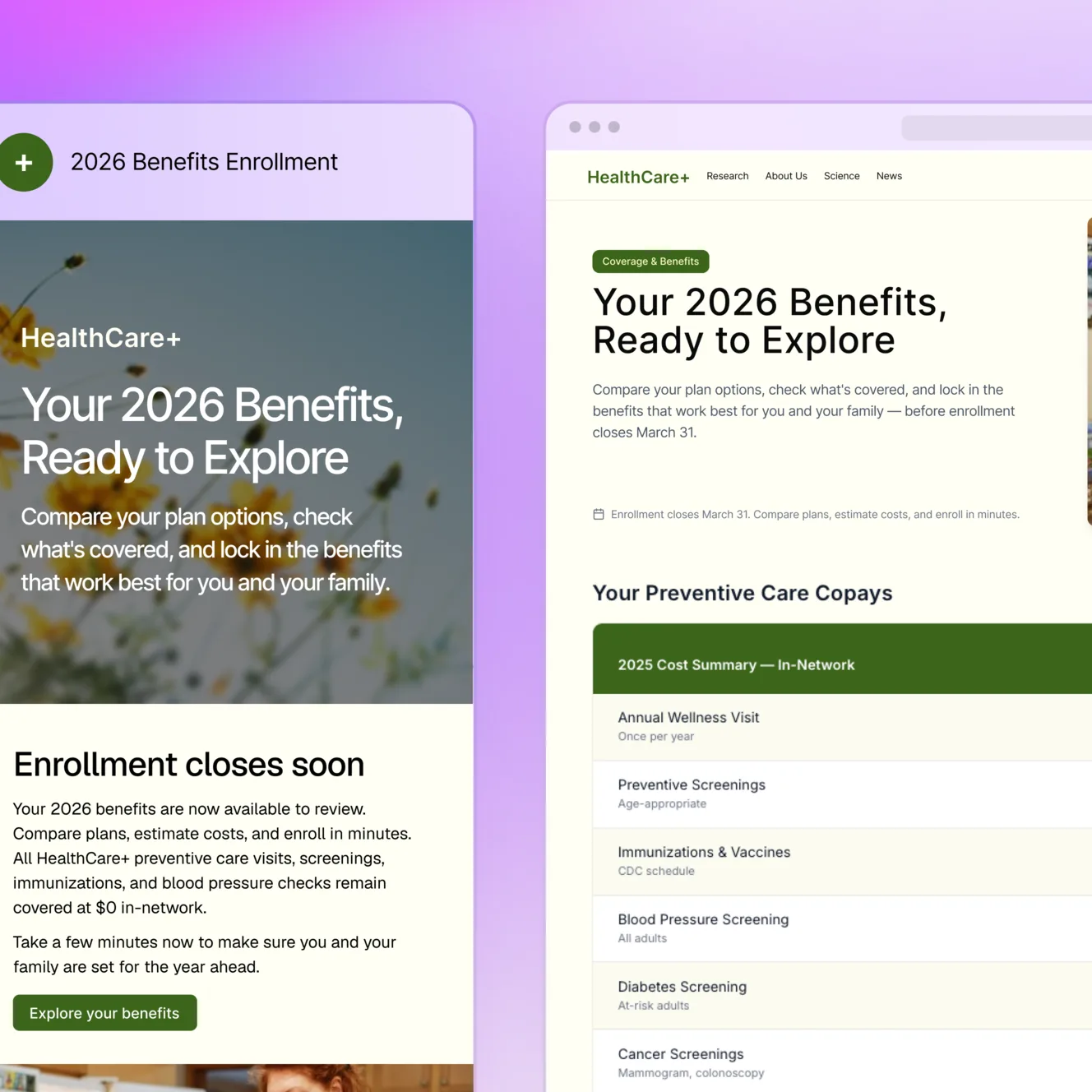
Regulatory and legal teams often require visual proof of a before-and-after change, which can be cumbersome. With Gradial, you can easily export these to a PDF for approvals.
Fragmented global workflows. Global pharma organizations often operate in hub-and-spoke models: global brand develops master content, local markets adapt and translate, regional teams modify claims, country teams rebuild pages in AEM.
Even with Content Fragments and Experience Fragments, maintaining alignment across markets requires significant manual oversight. Without intelligent execution, duplication of effort becomes the default operating mode.
DAM and metadata drift. AEM’s DAM is powerful, but only if governance is enforced consistently. In many pharma environments, assets end up inconsistently tagged, metadata fields stay incomplete, taxonomies evolve without enforcement, and accessibility metadata goes missing.
Over time, discoverability declines and authoring slows. The operational cost quietly increases, and nobody notices until someone needs to find something urgently and can’t.